Online Journal Articles

Upcoming AIS Online outage AIS Online will be unavailable on Sunday 14 June from 1am to 1pm (if this date and time needs to change, we will notify you via AIS Online). AIS Online functionality There is no change to functionality; just some minor updates and you’ll simply log in via a new URL. When users attempt to access the old myrta URL You will be redirected to an information page explaining the update. The page will provide the new Transport URL to access AIS Online. Follow this link and log in as normal. What you need to do Update any bookmarks, shortcuts, or saved links that still point to the old myrta URL. This will ensure a smooth transition and help prevent access issues in the future. This update is part of ongoing efforts to improve security and consistency across Transport systems.

We want to celebrate our members and share their journeys throughout their careers.

The worlds oldest working mechanic is 97 years old.
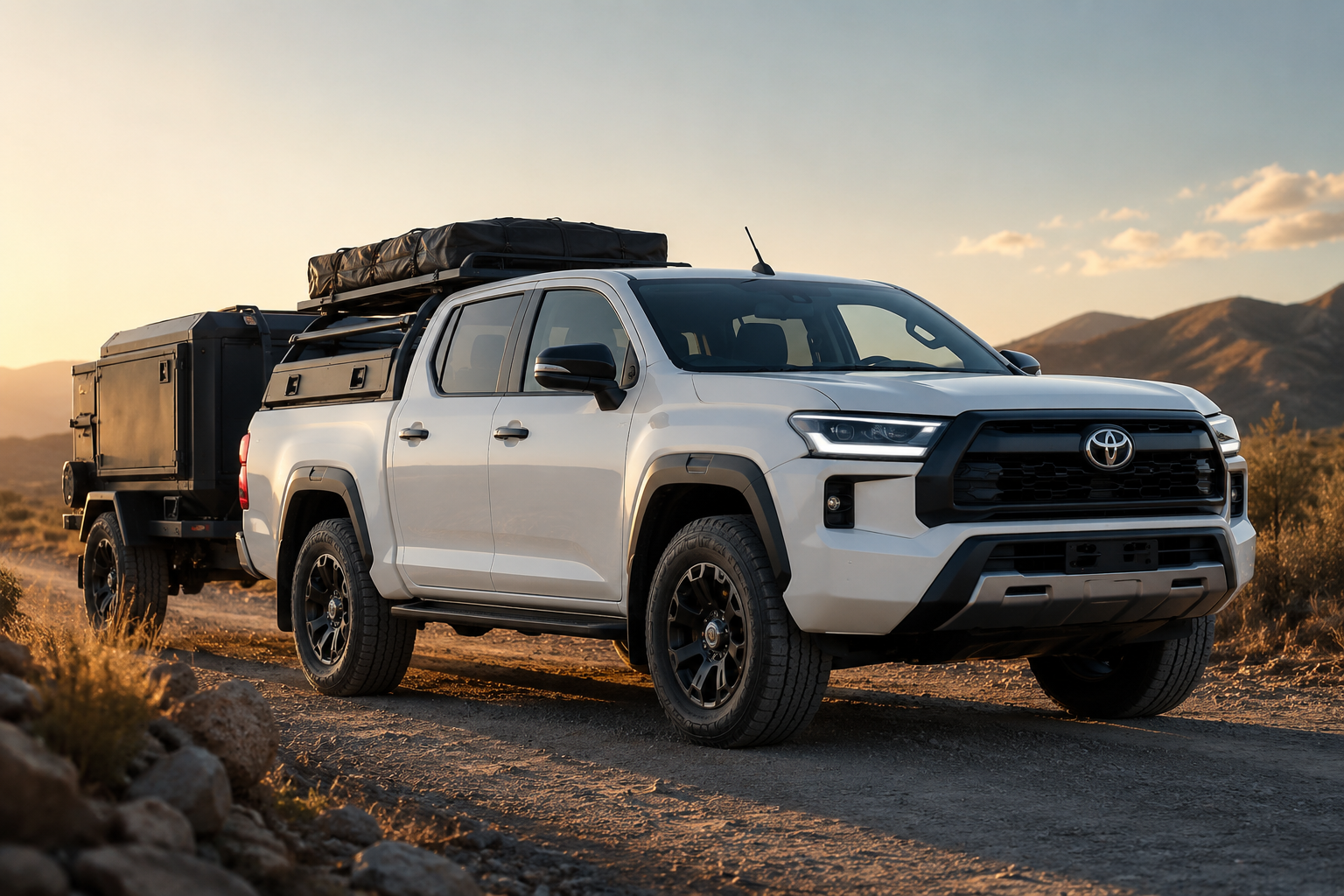
Toyota Australia is set to introduce a factory-backed Gross Vehicle Mass (GVM) upgrade package for selected four-wheel-drive models from August, providing owners with a higher legal payload capacity while retaining full factory warranty support and compliance.
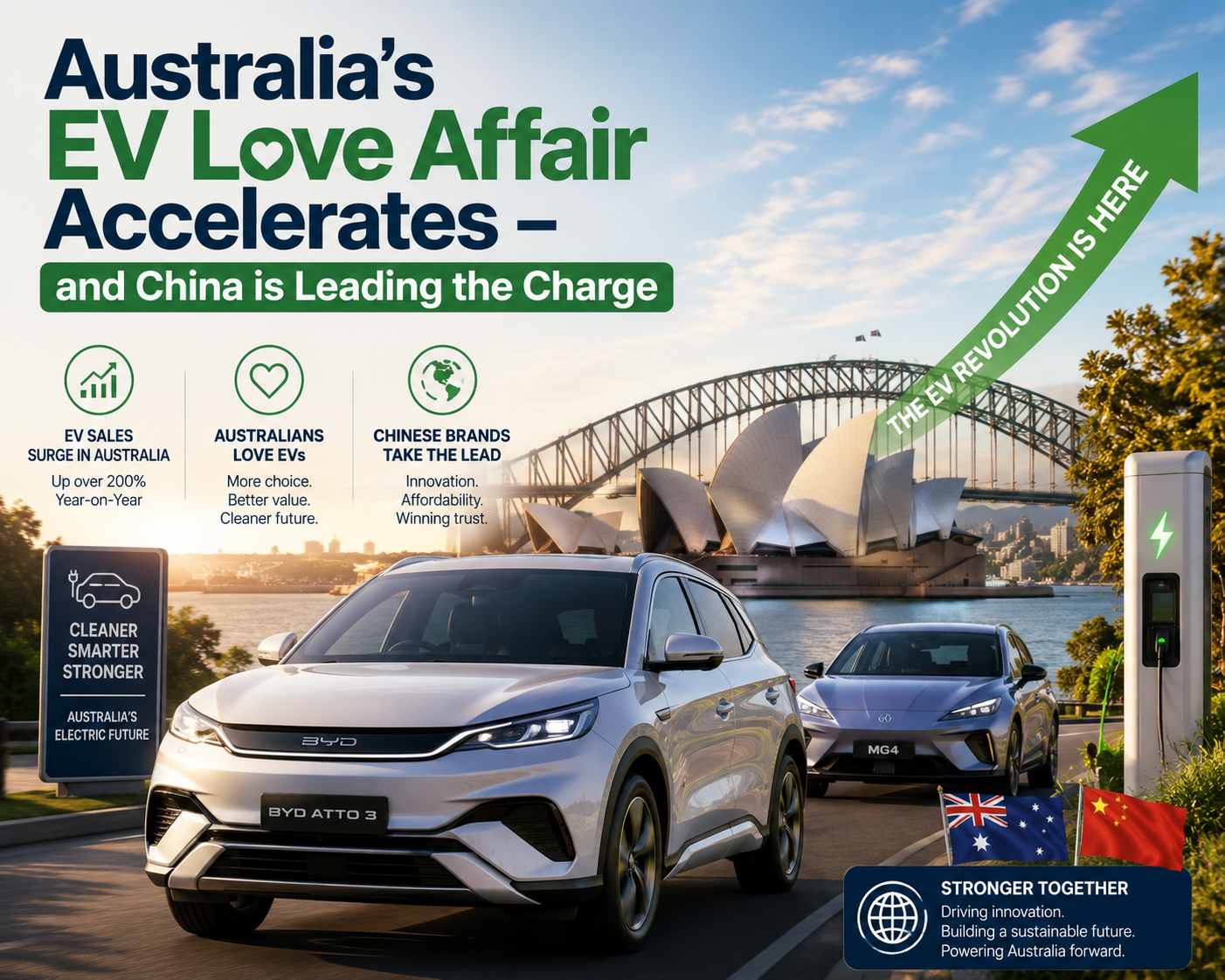
Across the Tasman this week, Chinese automotive giant BYD confirmed that almost 5,000 electric and plug-in hybrid vehicles are currently bound for Australia aboard its own dedicated vehicle carrier, the BYD Zhengzhou. The shipment, carrying 4,810 vehicles, marks the first Australian voyage of one of BYD’s purpose-built roll-on/roll-off vessels and is expected to dock in Melbourne before continuing to Sydney and Brisbane. What makes this story significant is not simply the size of the shipment, but what it says about the Australian market. BYD has already announced plans to bring an additional 30,000 new-energy vehicles to Australia in the coming months as demand for electric vehicles and hybrids continues to surge. For decades, Australian motorists were among the most loyal supporters of Japanese manufacturers, with brands from Toyota, Mazda, Mitsubishi, Nissan and Honda dominating local driveways. Few industry observers would have predicted that Chinese brands would achieve such rapid acceptance. Yet Australian consumers have embraced brands such as BYD, MG, GWM, Chery, Geely, Zeekr and others with remarkable speed, treating many of them as though they have been established players for generations. Australia’s transition mirrors trends seen throughout Europe and North America, where consumers are increasingly seeking lower running costs, improved technology, longer warranties and electrified drivetrains. The difference in Australia is that much of this growth is being driven by Chinese manufacturers rather than traditional Western brands. Affordability, strong specifications, competitive warranty programs and rapid product development have reshaped buyer perceptions almost overnight. BYD’s decision to deploy its own shipping fleet to Australia is perhaps the clearest signal yet that global manufacturers now view Australia as a strategic growth market. When a manufacturer is prepared to invest in dedicated logistics to deliver thousands of vehicles directly to Australian customers, it demonstrates confidence not only in its products but also in the appetite of Australian motorists for electrified transport. The message is simple: Australia's EV and hybrid revolution is no longer coming—it has arrived, and Chinese manufacturers are playing a leading role in shaping the next chapter of the nation's automotive landscape.

Mr Lamb brings decades of diverse leadership experience across various sectors, both domestically and internationally. Most recently, he served as the Chief Executive Officer of the Murray-Darling Association. Previously, Mr Lamb has held several executive roles with distinct peak body organisations, where he worked closely with government and industry. During his tenure, assisted many organisations to transition into new strategies and methodologies. With his notable experience, he is well positioned to lead the ARC at a time when the refrigeration and air conditioning (RAC) industry is growing at a rapid pace. Mr Lamb succeeds Glenn Evans, who concluded his tenure in December 2025 after 17 years of service. ARC Chair Dr Greg Picker said he was pleased to welcome Mr Lamb to mark the next phase for the Council, which leads national governance of the RAC (also known as ARCtick) Permit Scheme. “The Board is pleased to appoint Mark Lamb as our new CEO. We look forward to working with him as we continue to deliver the ARCtick permit scheme and improve our service to industry. His passion and experience in leading peak body organisations perfectly aligns with the ARC’s priorities at this time and our vision for the future,” Dr Picker said. “It is a crucial time for the industry, and the Board is confident Mark will help us build on our momentum and continue deliver meaning outcomes for the ARC and the broader industry.” Commenting on his appointment, Mr Lamb said, “I am thrilled to be given this opportunity to play this significant role, not just at the Australian Refrigeration Council, but in the refrigeration and air conditioning industry.
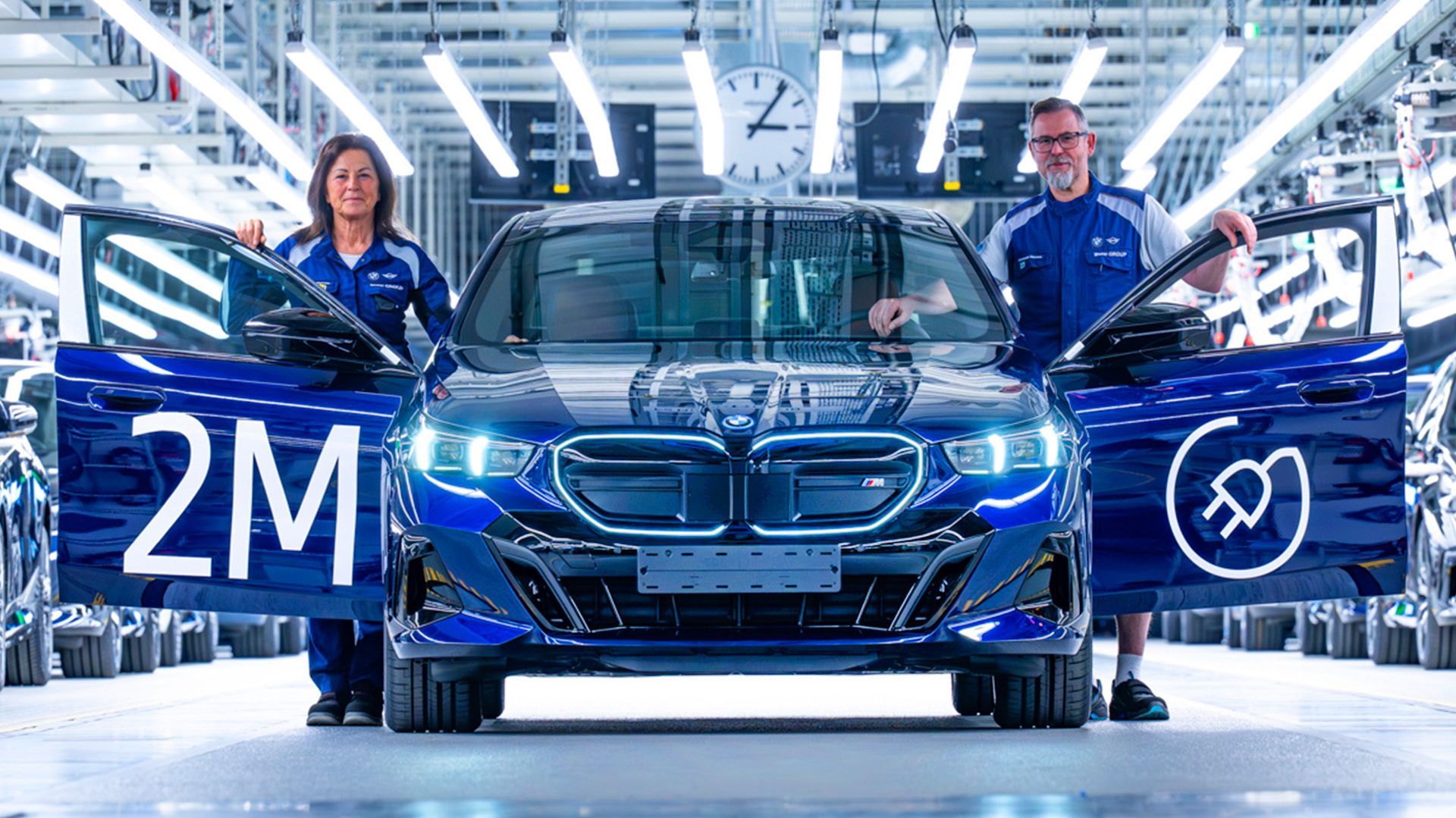
For a company long associated with precision internal combustion performance engines and premium driving dynamics, the production of BMW Group’s two millionth fully electric vehicle is far more than a symbolic milestone. It represents a major industrial transition within one of Europe’s most engineering-driven automotive manufacturers.

The transition has not occurred through the elimination of steel, but rather through its evolution and strategic integration alongside aluminium alloys, magnesium, advanced polymers, carbon fibre composites, structural adhesives, engineered foams, ceramic coatings, thermoplastics and hybrid laminates. Modern vehicles, particularly electric vehicles (EVs), now incorporate dozens of materially dissimilar systems within a single assembly, creating one of the most complex manufacturing ecosystems the automotive industry has ever encountered. Steel remains fundamental to automotive manufacturing because of its predictable crash behaviour, cost effectiveness and enormous manufacturing scalability. However, the steel used today bears little resemblance to the conventional mild steels that dominated vehicle manufacturing for decades. Ultra-high-strength steels (UHSS), advanced high-strength steels (AHSS), press-hardened boron steels and dual-phase steels now allow manufacturers to reduce section thickness while maintaining or significantly improving structural rigidity and occupant protection. These materials are extensively used in passenger safety cells, side intrusion beams, chassis rails and rollover structures where energy absorption and deformation management are critical. Yet despite these advances, the rise of electrification has exposed limitations in traditional steel-intensive construction. Battery electric vehicles carry substantial mass within the battery pack itself, often adding several hundred kilograms compared with equivalent internal combustion engine (ICE) vehicles. To offset this increase, manufacturers have aggressively pursued lightweighting strategies using aluminium and composite materials across body structures, suspension systems, closures and thermal management assemblies. Aluminium has become particularly prominent because it offers roughly one-third the density of steel while still providing excellent corrosion resistance and adequate structural performance when engineered correctly. It is now routinely found in bonnet assemblies, doors, subframes, crash structures, battery trays and suspension components. However, aluminium introduces its own engineering challenges, including galvanic corrosion when joined to steel, more complex repair methodologies and different crash energy absorption characteristics. Consequently, the industry has moved heavily toward mixed-material body architectures rather than wholesale material replacement. Where the industry is experiencing perhaps its most dramatic transformation is within EV battery enclosure design. Battery enclosures, sometimes referred to as battery packs, battery housings or battery trays, have evolved into some of the most technically sophisticated structural components within the modern vehicle. Historically, the underbody structure of a vehicle primarily provided torsional rigidity and occupant protection. In an EV, however, the battery enclosure becomes a multifunctional structural, thermal and safety-critical system simultaneously. It must contain and protect high-voltage battery modules, resist severe impact forces during collisions, manage vibration loads, provide environmental sealing against water and debris ingress, isolate electrical faults, dissipate heat and, increasingly, contribute directly to overall chassis stiffness. The challenge facing engineers is profound. Lithium-ion batteries generate substantial thermal loads during charging, discharging and high-performance operation. Thermal runaway events, while statistically rare, can propagate rapidly if heat is not effectively controlled. Consequently, battery enclosure design has become heavily focused on thermal management capability. Modern battery enclosures now incorporate highly engineered cooling pathways integrated directly into the enclosure structure itself. Many designs utilise liquid-cooled aluminium extrusions or cast cooling plates positioned beneath or between battery modules. Glycol-based coolant systems circulate through these channels to maintain narrow operating temperature windows essential for battery longevity, charging efficiency and safety stability. The enclosure materials themselves are also selected based on thermal conductivity characteristics. Aluminium remains highly favoured because it provides an effective balance between structural performance and heat dissipation. In some advanced EV architectures, manufacturers are experimenting with multi-layer composite sandwich structures that combine aluminium skins with thermally insulating or fire-resistant core materials. Certain systems now integrate ceramic barriers or intumescent materials capable of slowing thermal propagation during battery failure events.

Dear valued IAME Members, Over the past 12 months, many of you have been experiencing increasing commercial pressure as the cost of operating an automotive business continues to rise. Through our recent IAME Cost of Living Survey, members have made it clear that rising insurance premiums, fuel costs (including 91 ULP petrol), wages, energy prices, parts costs, rent, and compliance obligations are placing real strain on businesses across the industry. The survey results confirm what many of you are experiencing day to day. Business conditions have become more challenging, margins are tighter, and confidence in the economic outlook remains uncertain. Many workshops and professionals are working harder than ever simply to maintain service levels, support staff, and continue training the next generation of tradespeople. As the professional body representing automotive practitioners, IAME recognises that our members are navigating a difficult operating environment. We also recognise that many of our members are small businesses and sole traders who must carefully manage every cost. Following discussions at the Board level and in recognition of the current economic conditions facing the industry, IAME has decided not to increase membership fees this year. While many organisations are increasing prices in response to inflationary pressures, the Institute believes it is important to demonstrate support and solidarity with members during this period. We understand that cost pressures are cumulative, and even modest increases can contribute to the overall burden currently being experienced across the sector. This decision reflects IAME’s commitment to acting in the best interests of members and recognising the realities of the environment in which you are operating. It also reinforces the Institute’s ongoing role as an advocate for practical policy settings that support workforce development, small business sustainability, and the long-term strength of the automotive industry. The results of the Cost of Living Survey are already being used to inform discussions with government and industry stakeholders, ensuring that the challenges facing automotive professionals are clearly understood. Your input has provided an important evidence base that strengthens the industry’s collective voice.
Economic Pressures Mounting on Australia’s Automotive Industry, New Survey Shows
Thank you to those who took the time to complete the recent Cost of Business / Industry Conditions Survey.
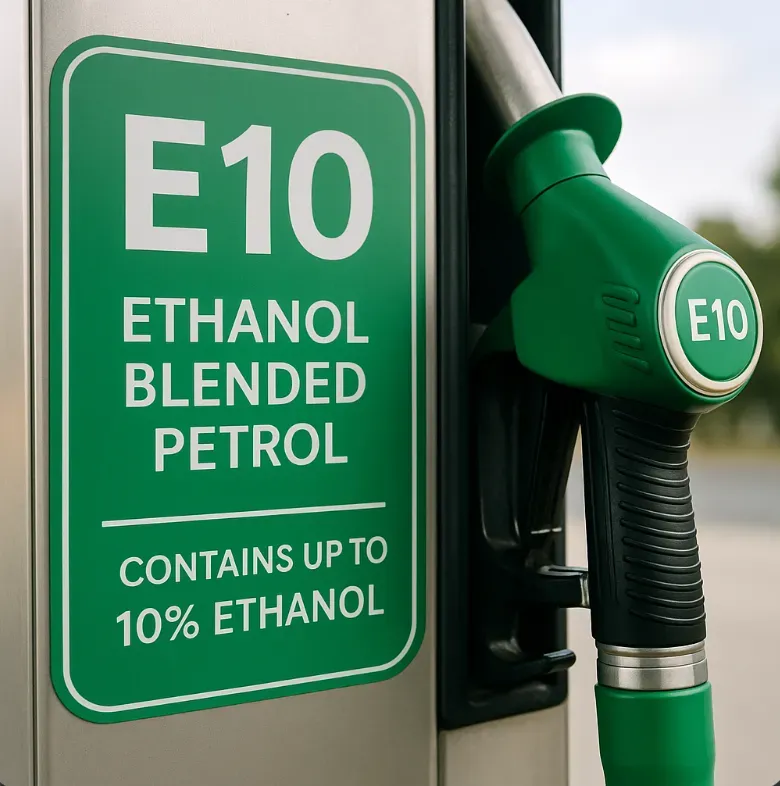
Australia is operating in an era of heightened fuel insecurity. Repeated national and international reporting has confirmed that Australia’s refined fuel security buffer remains critically low—often cited at approximately 30 days—leaving the nation exposed to geopolitical disruption, supply-chain shocks, and international market volatility. Against this backdrop, the promotion and responsible adoption of ethanol-blended fuels (E-fuels) is not a political abstraction; it is a practical, technically defensible, and nationally strategic response.
It would take approximately 6 months to get to the Moon by car

Illegal issuing of sight-unseen pink and blue slips has serious consequences for authorised examiners and third parties.

IAME has created an Industry Conditions Survey. The purpose of this survey is to better understand the current cost-of-living and cost-of-doing-business pressures affecting members across the automotive sector, so that IAME can ensure its activities, advocacy priorities, and representation to government are aligned with members' real operating environment.

Features, Benefits & Performance Overview Motul has developed a dedicated range of petrol engine oils engineered to meet the unique operating demands of hybrid vehicles , including frequent start-stop cycles, low engine operating temperatures, fuel dilution, and strong fuel-economy requirements. Two key products in this portfolio are Motul H-Tech 100 Plus 0W-20 and Motul NGEN Hybrid .
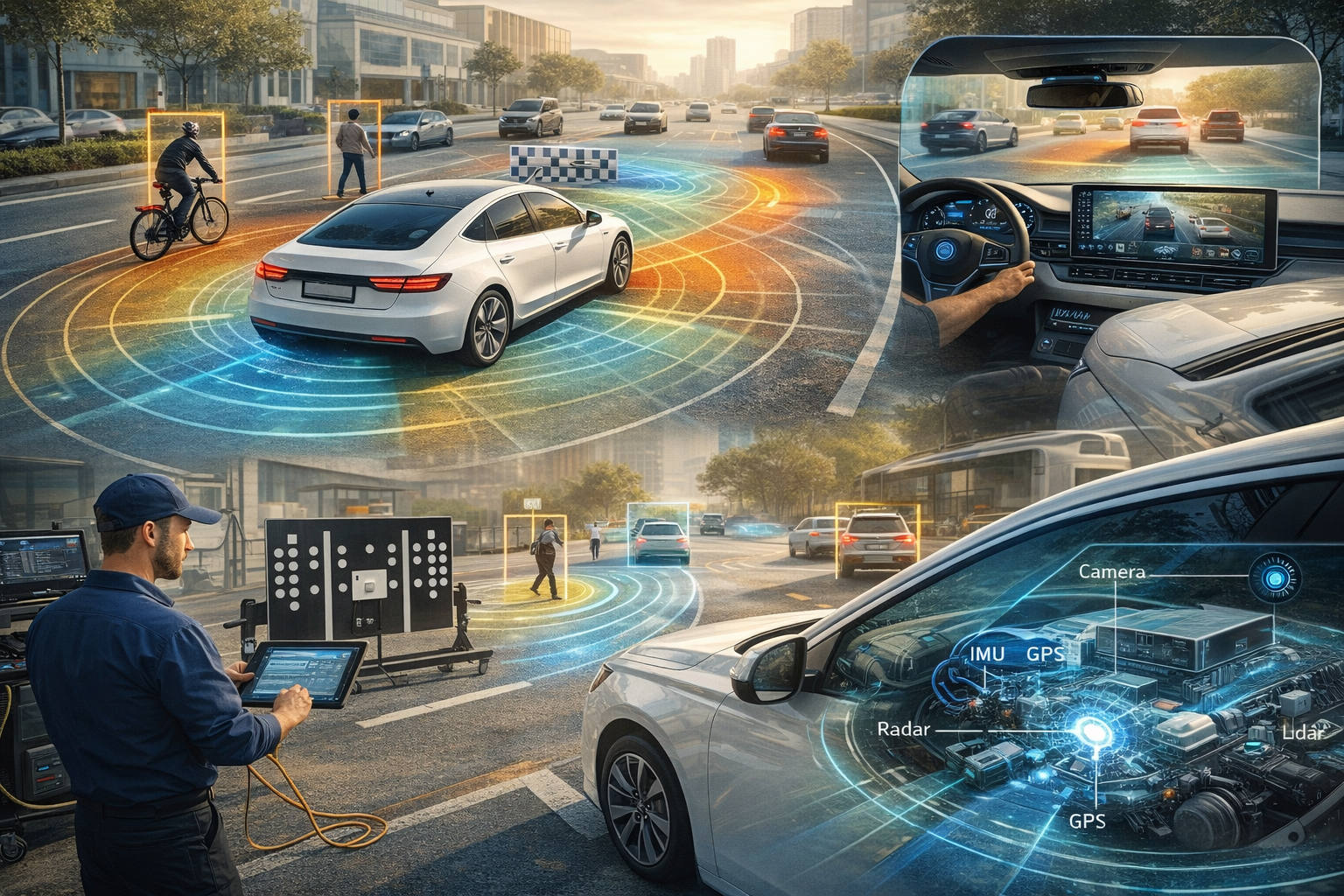
AI is now core to the latest generation of ADAS: deep-learning perception stacks, on-board real-time inference and sensor fusion enable crash-avoidance features that demonstrably reduce collision rates (notably AEB/FCW), while vehicle dynamics control is evolving from rule-based ESC to predictive, AI-assisted torque-vectoring and integrated stability management. Modern systems combine camera/radar (and in some programs lidar, mapping and environmental sensing) to detect, predict and act within fractions of a second; this increases safety but also creates new service obligations — precise sensor calibration, validated software/firmware management, authenticated OTA updates and documented post-repair procedures.
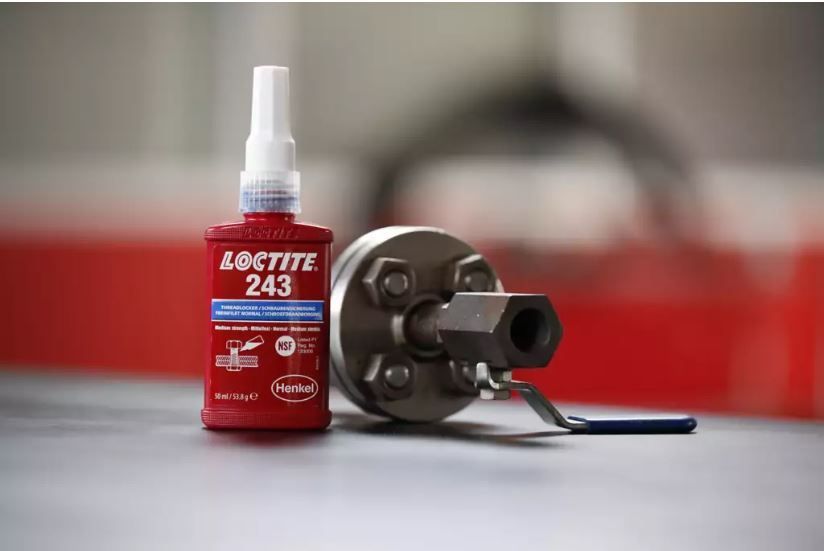
For workshops and maintenance operations that take a conservative, risk-averse approach to chemical use, changes to a product’s chemical formulation matter far more than marketing claims. LOCTITE’s latest generation of threadlockers represents a quiet but significant shift in this regard: a reformulation driven not just by performance outcomes, but by chemical risk reduction and sustainability considerations .
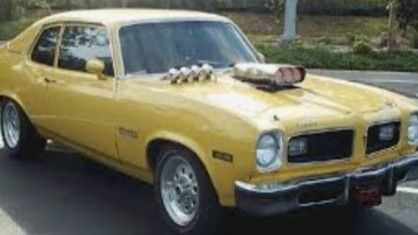
Strict rules apply to vehicle modifications that pose a risk to a driver’s forward field of view and the safety of vulnerable road users.
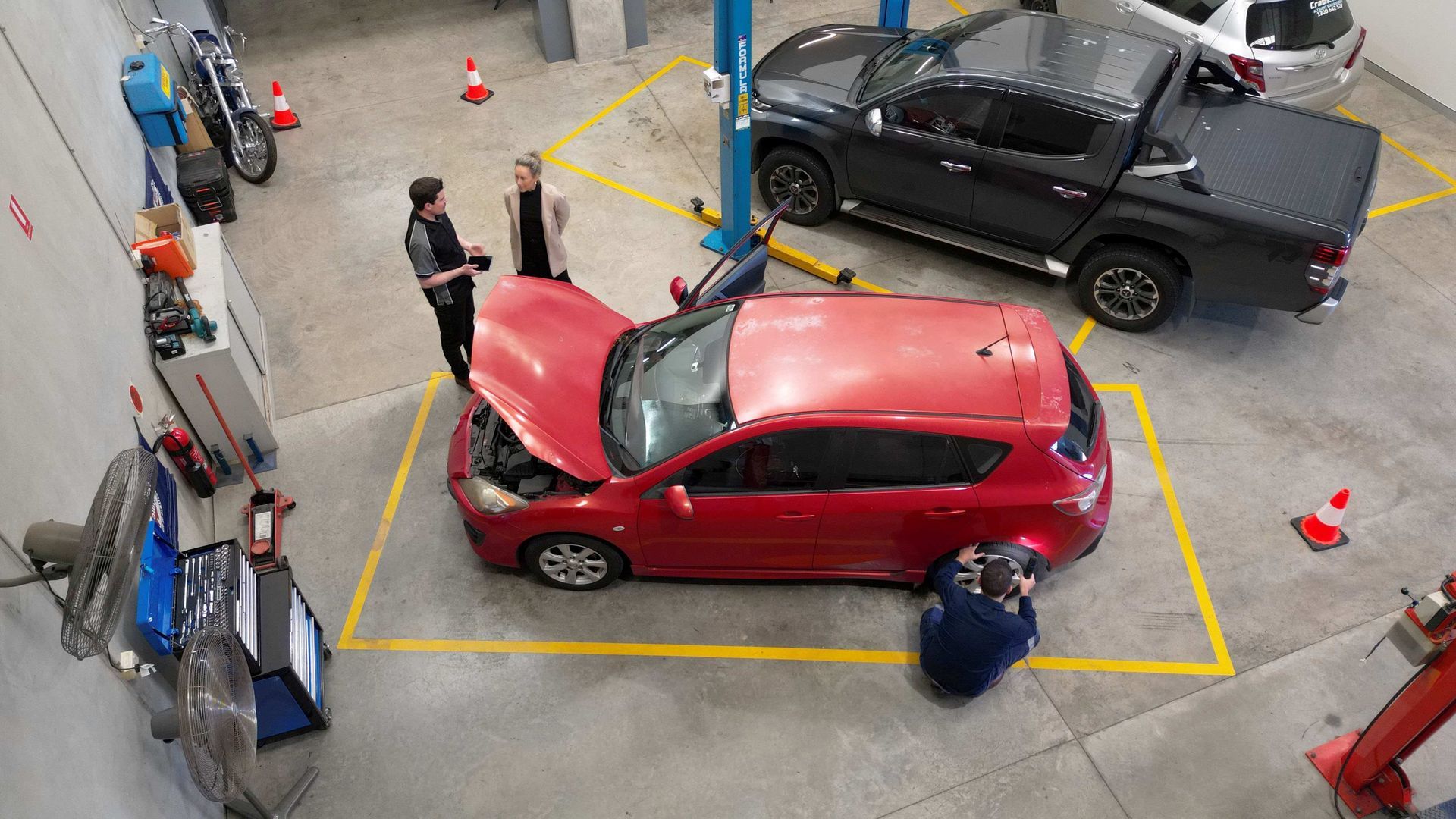
A series of important updates to improve the security and usability of AIS Online and the R-Safety platform have been released.
See below details of the 92nd Annual General Meeting

DISCLAIMER: IAME has been authorised by VASA to make this document available to members online.
The Volkswagen Beetle is the longest-running and most-manufactured car of a single design platform worldwide
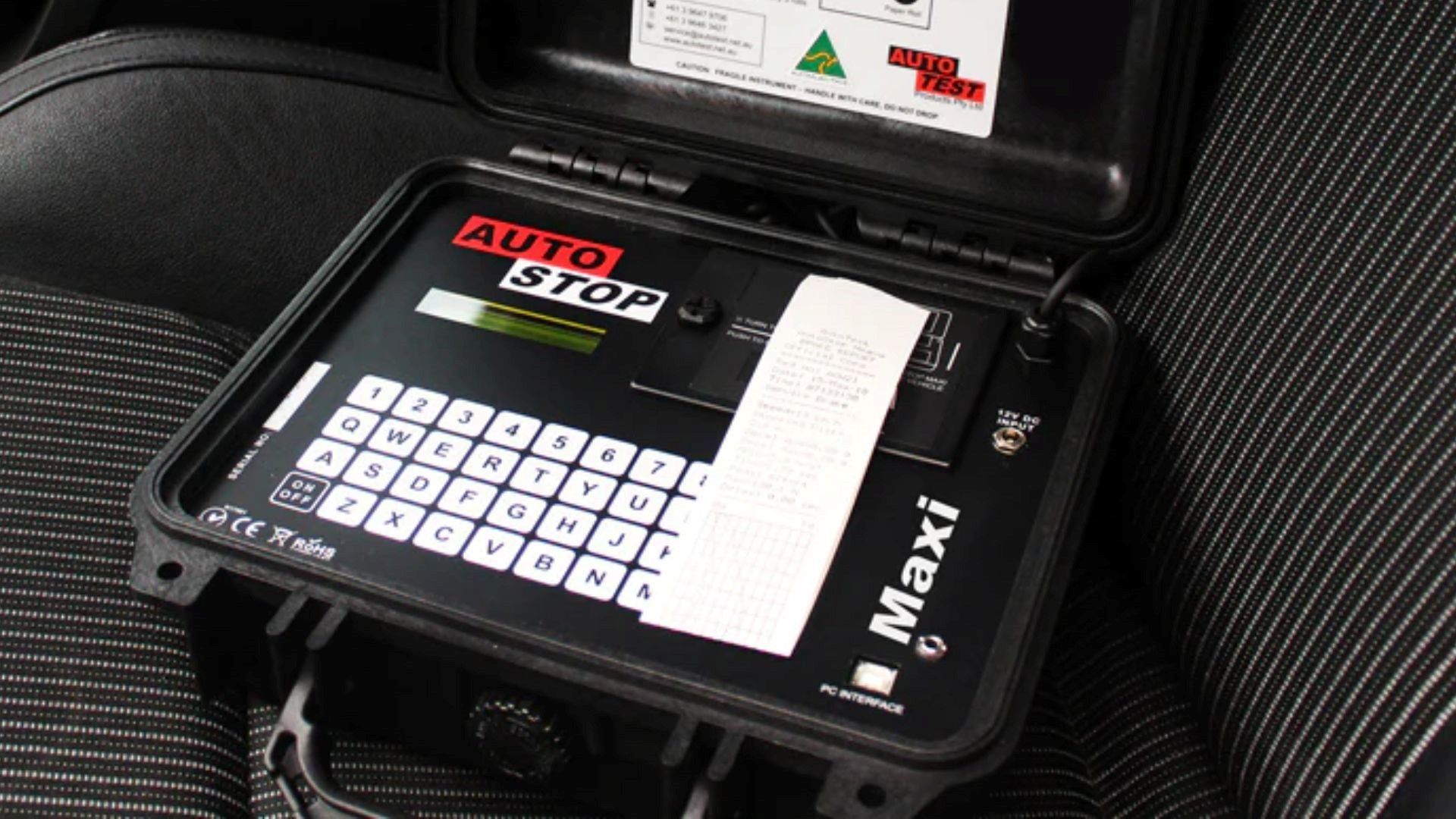
New requirements apply to portable brake decelerometers under the AIS. Devices must now print the speed of the test.
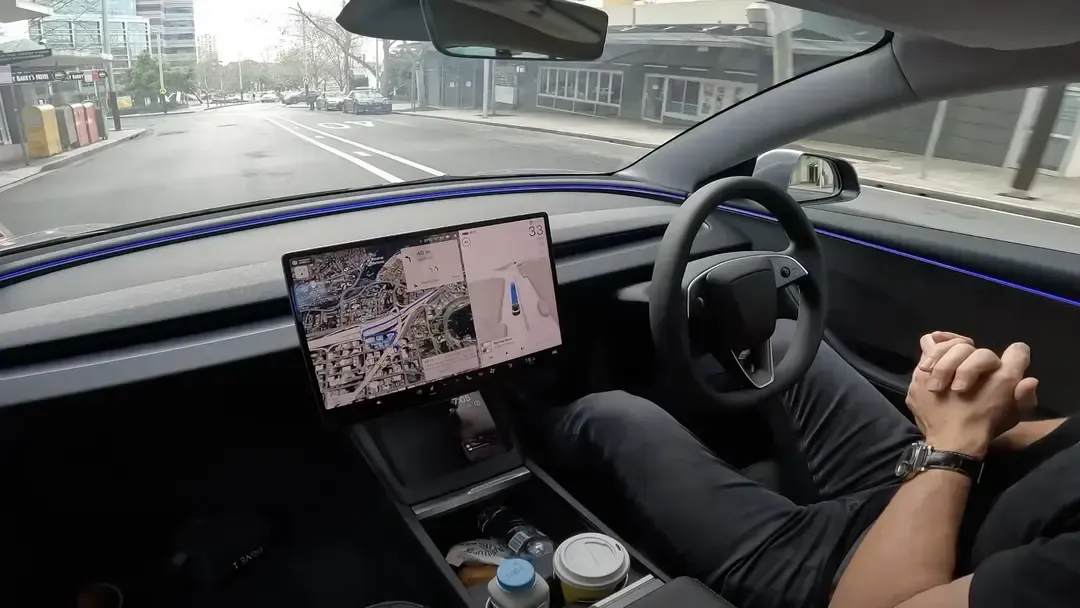
A Real-World Test of Vision-Only Autonomy

New look defect notice
Australia’s new car market continues its upward trajectory, with a growing influx of automotive brands set to enter the local landscape over the next 12 months. Leading this surge is a clear industry-wide shift towards electrification, as a wave of electric vehicles (EVs) and hybrid options are poised to hit showrooms across the country. At the forefront of this momentum is a notable development from Mitsubishi Motors Corporation. In a bold move to strengthen its EV credentials, Mitsubishi has recently signed a memorandum of understanding (MOU) with Foxtron Vehicle Technologies, a Taiwanese electric vehicle manufacturer backed by tech giant Foxconn. This strategic alliance aims to co-develop and launch a new electric vehicle model tailored specifically for the New Zealand and Australian markets

LOVELACE, Ian Charles
We’d like to come clean… The “Scania Ute” is, unfortunately, not a real product—yet! This concept was part of an April Fool’s Day joke. While we know the idea of a heavy-duty Scania truck combined with a ute bed and powered by our iconic V8 engine might sound like a dream come true, it was all in good fun. We apologise if this caused any confusion or got your hopes (or engines) running a little too fast. Thanks for being such great sports, and who knows? Maybe one day…
Australia is home to the world’s longest straight stretch of road .

Advancing Sustainable Performance
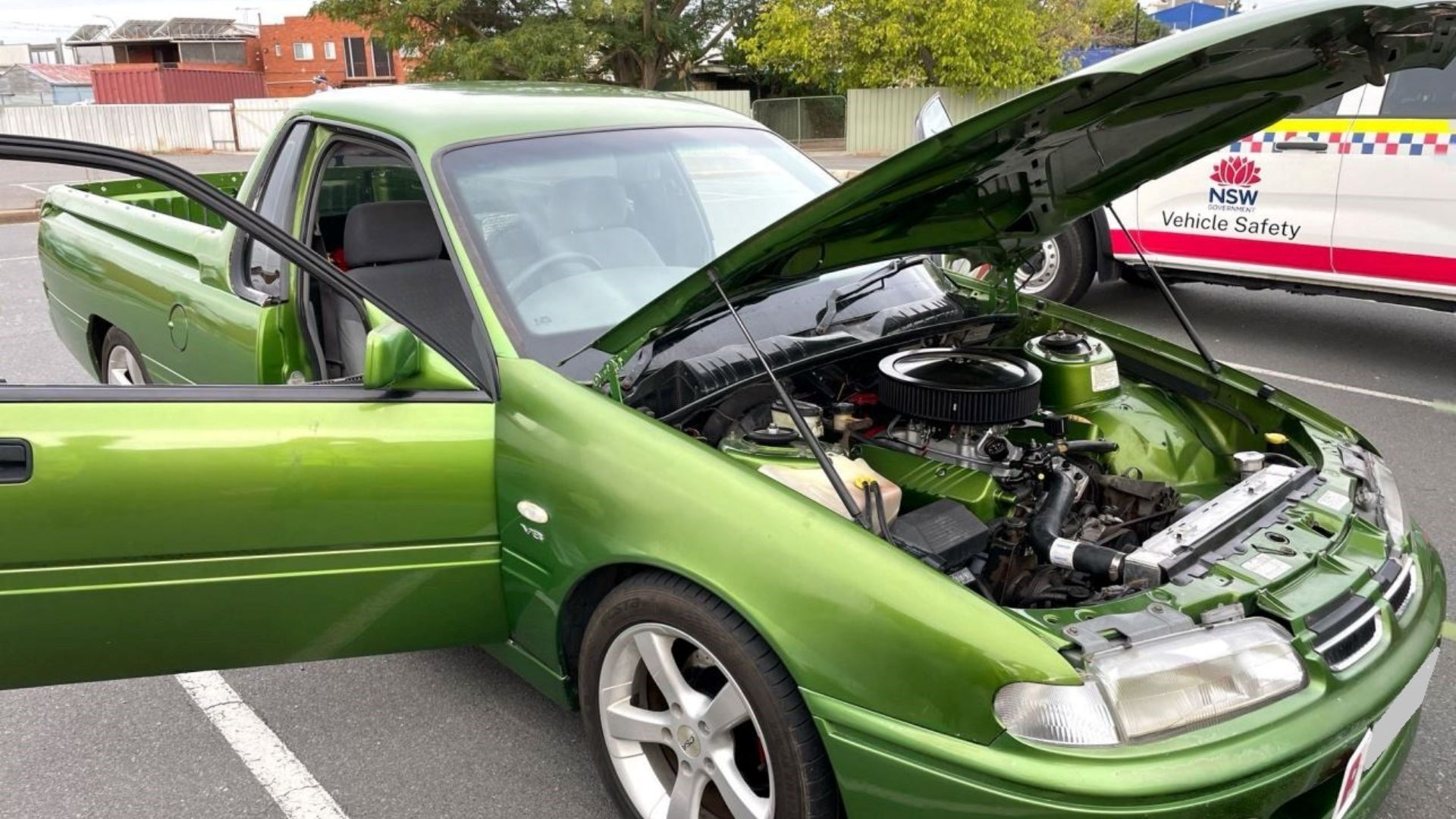
Of the 50 vehicles inspected, 47 were found to have defects, including: a rebirthed Victorian Holden VS utility with unsafe repairs to its floor pan a Ford Falcon with an altered vehicle identification number (VIN), later identified as a water-damaged statutory write-off, ineligible for registration a seriously defective vehicle that had passed a safety check just three days earlier.

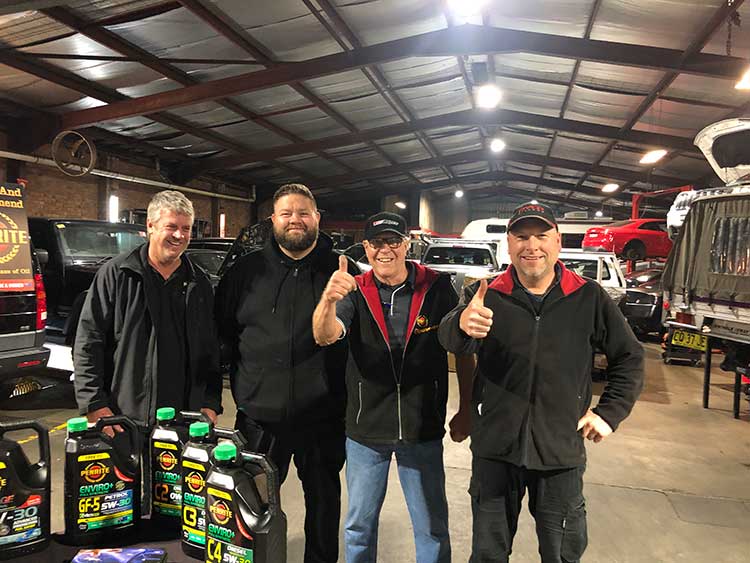
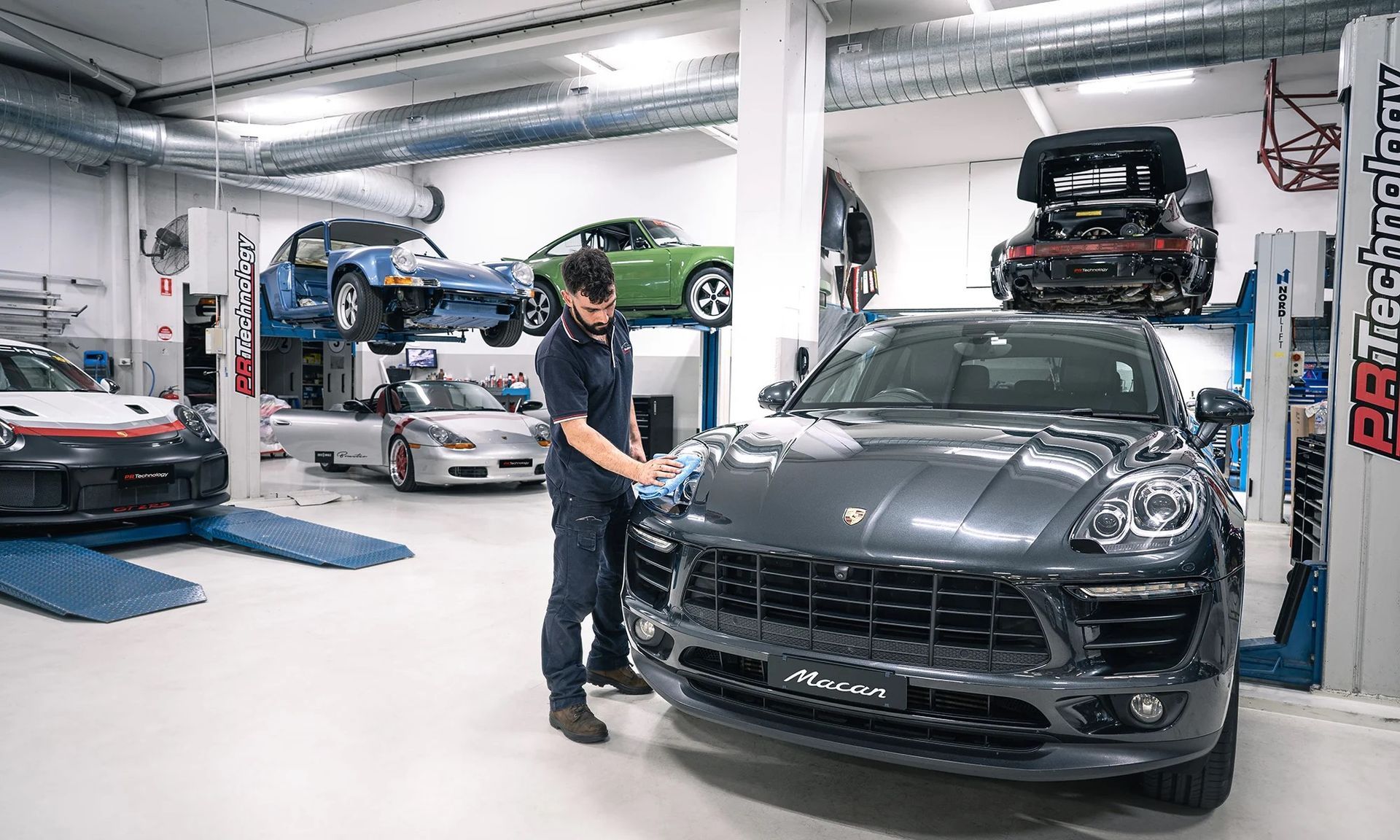
We are proud to announce that this year’s Certificate of Achievement for IAME Apprentice of the Year Award has been presented to Dimitri Tambourantzis from Hi-Comp Performance Engines and Tuning and Thomas Nilon from PR Technology, two outstanding recipients , in recognition of their demonstrated exemplary commitment and exceptional growth throughout their apprenticeship training period. Due to the remarkable standard of both candidates, the decision was made to honour two apprentices —a true testament to the calibre of talent emerging in our industry. We would like to extend our sincere thanks and appreciation to Hi-Comp Performance Engines and Tuning and PR Technology for the outstanding support provided to both students throughout their apprenticeship. Your commitment to fostering talent and excellence within the automotive industry has been instrumental in their success. The skills, knowledge, and professional attitude they demonstrate has been shaped in no small part by the guidance and opportunities you have offered. Congratulations to Dimitri and Thomas! Your hard work and commitment have not gone unnoticed, and we look forward to seeing the great things you will achieve in your careers. 👏👏 Please join us in celebrating their success!

Your Car Has More Lines of Code Than a Fighter Jet
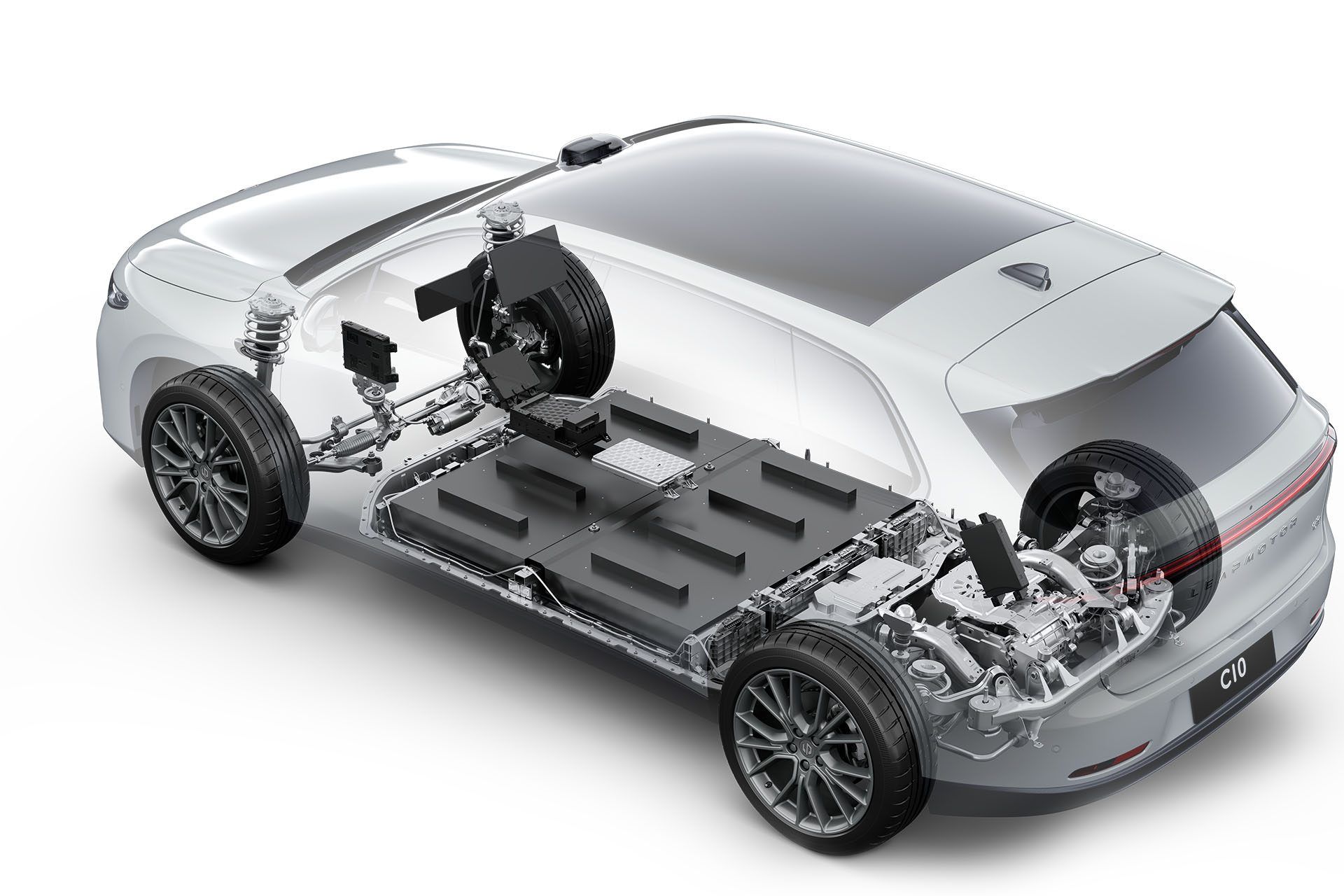
As the global automotive industry transitions toward sustainable mobility, Range-Extended Electric Vehicles (REEVs) have emerged as a pivotal bridge between traditional internal combustion engines (ICE) and full battery electric vehicles (BEVs). REEVs—also known as REX (Range Extender) hybrids —blend the advantages of electric propulsion with the security of extended driving range, all while offering reduced emissions and optimized fuel efficiency.

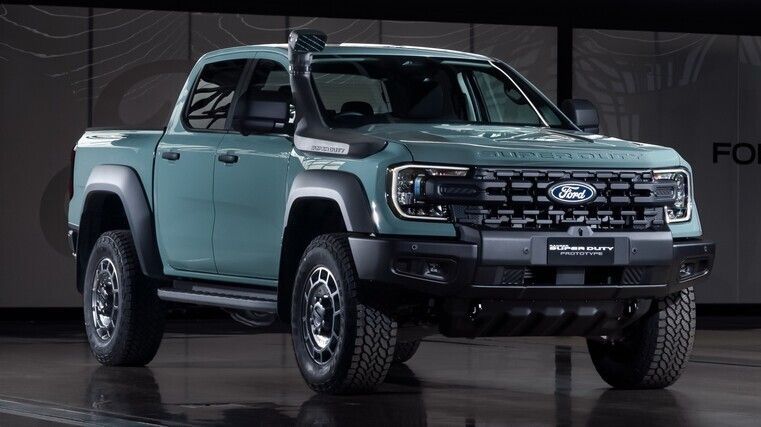
After months of anticipation and local development, Ford Australia has officially taken the wraps off its latest powerhouse — the Ford Ranger Super Duty V6 turbodiesel 4×4 ute . The much-anticipated reveal took place on April 4 at the iconic Melbourne Showgrounds , forming a highlight of the 100th centenary celebrations of Ford Australia .
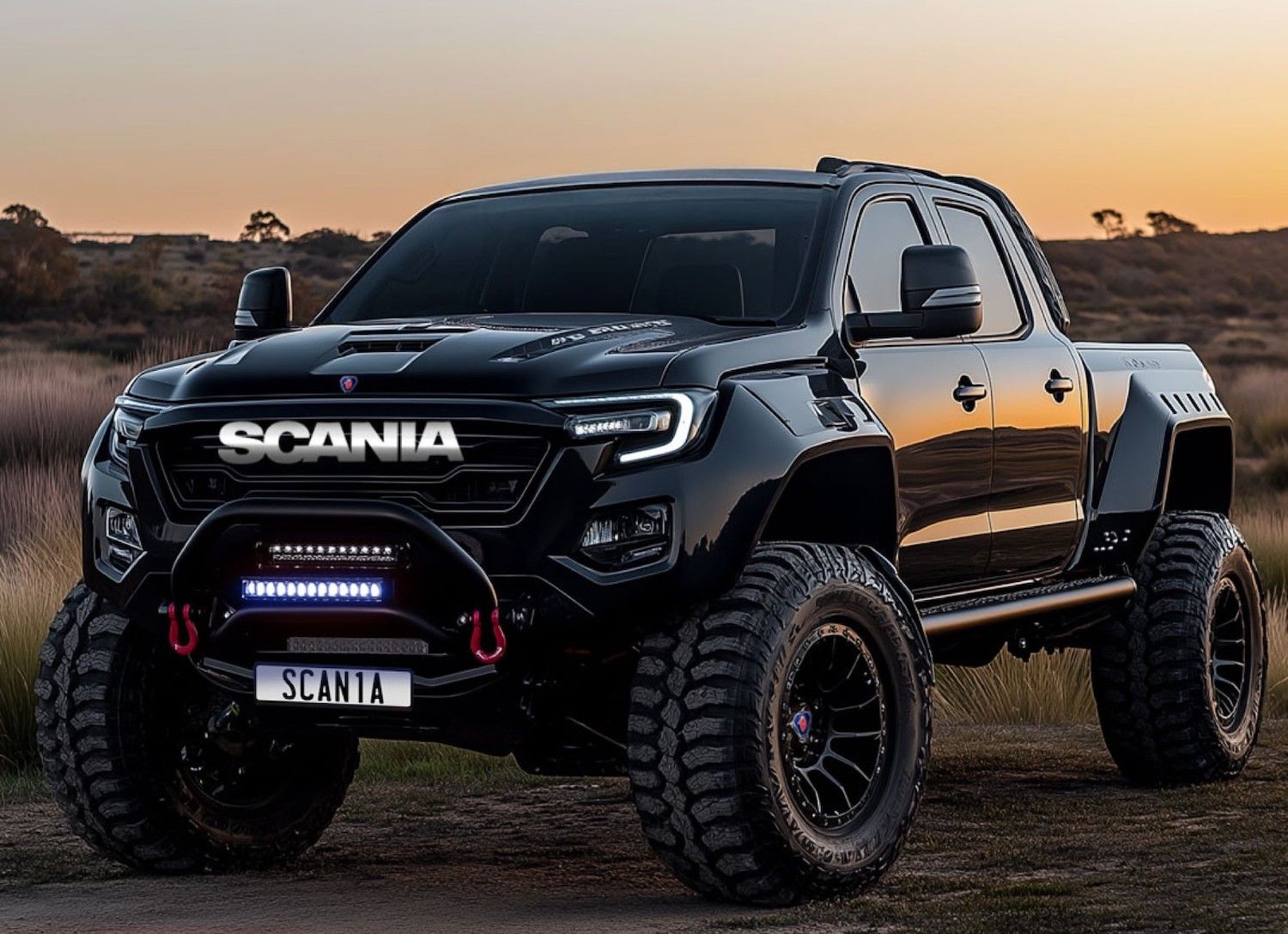
Say goodbye to the usual contenders. After reading these specs, there's simply no competition . The automotive world has been put on notice — Scania has officially thrown down the gauntlet with the arrival of the Scania Ute , and it’s not just knocking on the door… it’s tearing it off the hinges.
Updated Tinting Rules for Inspections
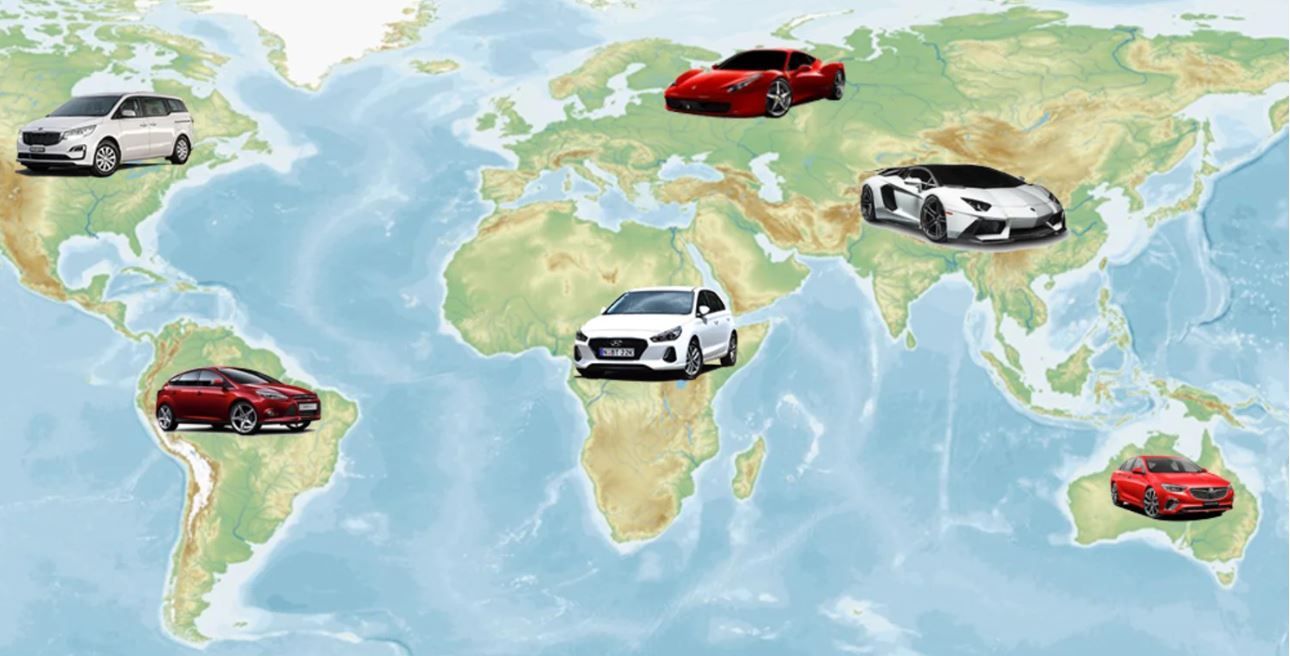
The global automotive industry is facing major disruptions following former U.S. President Donald Trump’s announcement of new sanctions and tariffs on imported goods to the U.S., set to commence on March 4, 2025 . With Japan, China, and European automakers heavily reliant on exports to the U.S., concerns are mounting over the economic impact on these countries’ automotive sectors .