
Antonella Abbate • 15 April 2025

Did You Know?


Your Car Has More Lines of Code
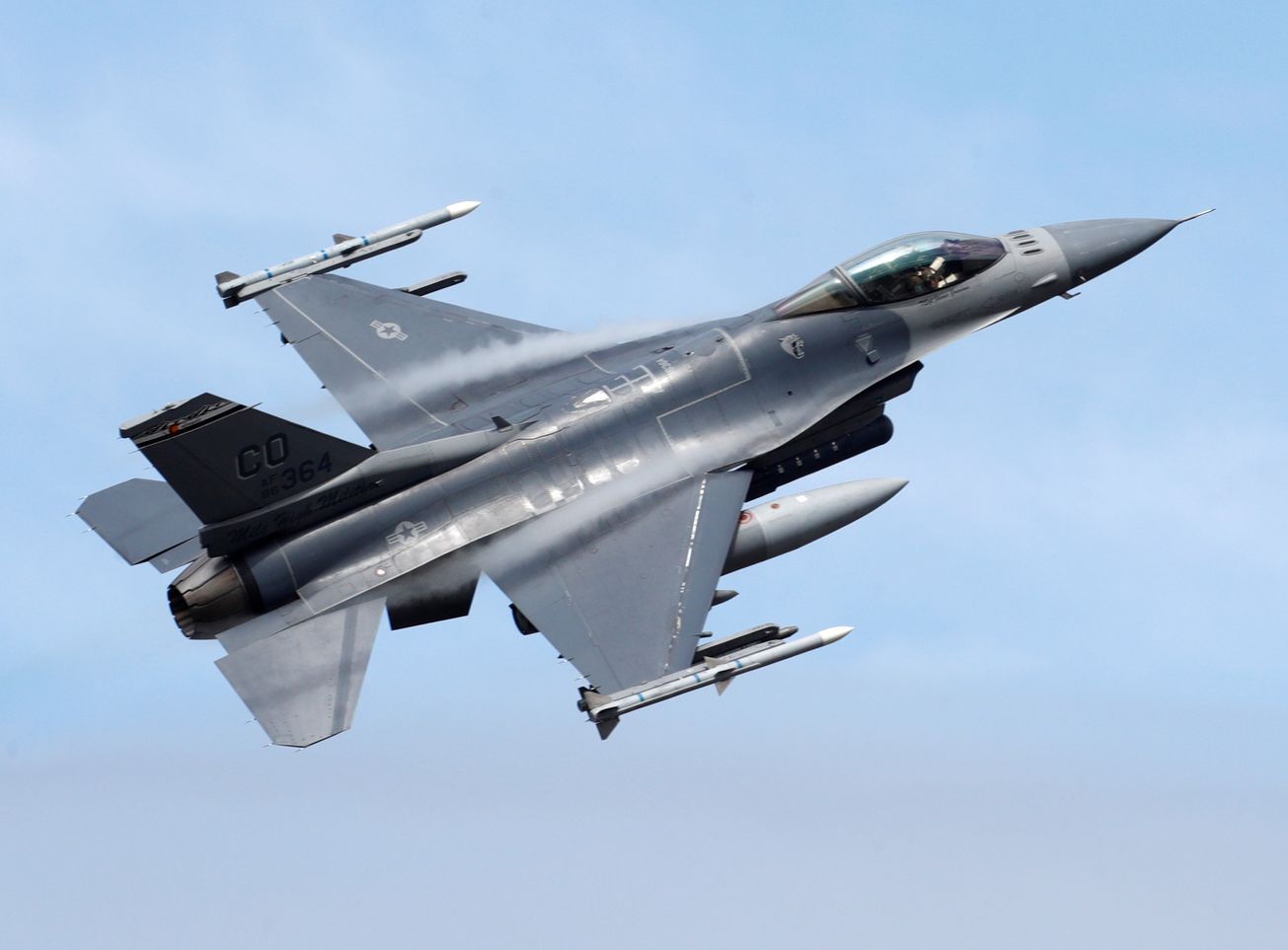
Than a Fighter Jet

Today’s cars are more than just machines — they’re rolling supercomputers. In fact, the average modern vehicle has over 100 million lines of code powering everything from the engine to the infotainment system. To put that into perspective, that’s more code than a modern fighter jet, a commercial airplane, or even the operating system of your smartphone.


Wait, More Than a Jet Fighter?

Yes — way more. For comparison:

Modern fighter jet (like an F-35): ~8 million lines of code

  • Boeing 787 Dreamliner: ~14 million
  • Facebook's entire backend (estimate): ~60 million
  • Modern car: 100–150 million lines

Why does your car need so much software? Because it’s not just an engine and wheels anymore. It’s a highly connected, sensor-filled, tech-driven ecosystem on wheels.


What That Code Controls

  • Engine and transmission management
  • Stability and traction control
  • Airbag deployment systems
  • Adaptive cruise control and lane-keeping assist
  • Infotainment systems, Bluetooth, and navigation
  • Climate control, automatic lights, rain-sensing wipers
  • Keyless entry, theft prevention, and security systems
  • And if it’s an electric vehicle or hybrid? Add battery management and regenerative braking systems to the mix.


The Double-Edged Sword

All this technology adds comfort, safety, and performance — but it also creates complexity. Diagnosing issues now often means plugging into the car’s computer systems rather than getting under the hood. And as cars become increasingly autonomous and connected to the internet, cybersecurity is becoming a new frontier in automotive engineering.


Final Thought

The next time you're stuck in traffic or syncing your phone to your dashboard, remember: you're not just driving a car. You're piloting one of the most complex machines ever made — more advanced in code than a fighter jet.

by Antonella Abbate 18 December 2025
AI is now core to the latest generation of ADAS: deep-learning perception stacks, on-board real-time inference and sensor fusion enable crash-avoidance features that demonstrably reduce collision rates (notably AEB/FCW), while vehicle dynamics control is evolving from rule-based ESC to predictive, AI-assisted torque-vectoring and integrated stability management. Modern systems combine camera/radar (and in some programs lidar, mapping and environmental sensing) to detect, predict and act within fractions of a second; this increases safety but also creates new service obligations — precise sensor calibration, validated software/firmware management, authenticated OTA updates and documented post-repair procedures.
by Antonella Abbate 18 December 2025
by Antonella Abbate 17 December 2025
For workshops and maintenance operations that take a conservative, risk-averse approach to chemical use, changes to a product’s chemical formulation matter far more than marketing claims. LOCTITE’s latest generation of threadlockers represents a quiet but significant shift in this regard: a reformulation driven not just by performance outcomes, but by chemical risk reduction and sustainability considerations .