

LOCTITE Threadlockers: Upgraded for Performance and Sustainability
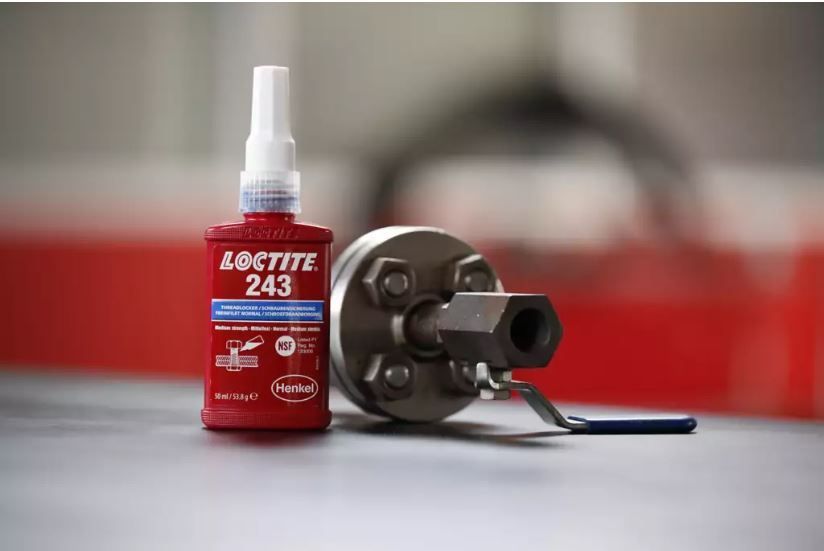
For workshops and maintenance operations that take a conservative, risk-averse approach to chemical use, changes to a product’s chemical formulation matter far more than marketing claims. LOCTITE’s latest generation of threadlockers represents a quiet but significant shift in this regard: a reformulation driven not just by performance outcomes, but by chemical risk reduction and sustainability considerations.
A Deliberate Shift in Chemistry
Traditional anaerobic threadlockers have historically relied on monomers and additives that, while effective, raised concerns around hazard classification, handling precautions, and regulatory exposure. In response to tightening global chemical regulations and increasing scrutiny of Safety Data Sheets (SDS), LOCTITE has re-engineered the core chemistry of its threadlocker range.
The upgraded formulations reduce or eliminate certain substances of concern—particularly those linked to:
- Skin sensitisation
- Reproductive toxicity classifications
- High environmental persistence
This is not a surface-level adjustment. The polymer chemistry itself has been modified to achieve curing and retention performance without relying on higher-risk reactive components.
What This Means for Your MSDS / SDS
For risk-averse shops, the most immediate and practical benefit appears on the Safety Data Sheet:
- Lower hazard classifications under GHS
- Reduced or removed risk phrases
- Fewer mandated handling controls in routine use
- Improved compatibility with internal WHS and ISO systems
In many cases, these updated SDS profiles make the product easier to approve through internal safety committees, insurer reviews, and compliance audits—particularly in environments where chemical exposure thresholds are tightly controlled.
Put simply: the product looks better on paper because it is chemically safer by design, not because hazards have been reworded or downplayed.
Sustainability Without Trade-Offs
While “sustainability” is often presented as a marketing angle, in this case it is a direct outcome of chemical simplification:
- Reduced reliance on substances with long-term environmental impact
- Lower toxicity potential during manufacturing and end use
- Improved alignment with evolving EU, REACH, and global chemical standards
Importantly, this shift does not require shops to compromise on functional reliability. The anaerobic curing mechanism remains intact, but it is now supported by a formulation that is more defensible from both a regulatory and environmental standpoint.
Why This Matters to Conservative Operations
For workshops that prioritise:
- Worker safety
- Regulatory certainty
- Reduced chemical risk exposure
- Cleaner audit trails
…the reformulated LOCTITE threadlockers represent a tangible improvement. The value is not in faster cure times or broader temperature ranges—it’s in lower chemical liability paired with proven functionality.
The Bottom Line
LOCTITE’s upgraded threadlocker formulations are not just “new and improved” versions of the old products. They reflect a fundamental chemical change aimed at reducing risk, improving SDS profiles, and future-proofing workshops against tightening chemical regulations.
For risk-averse shops, that’s the real performance upgrade.
Visit: https://next.henkel-adhesives.com/au/en/applications/threadlockers.html