


Transport for NSW: AIS Online Updates
Updated Tinting Rules for Inspections
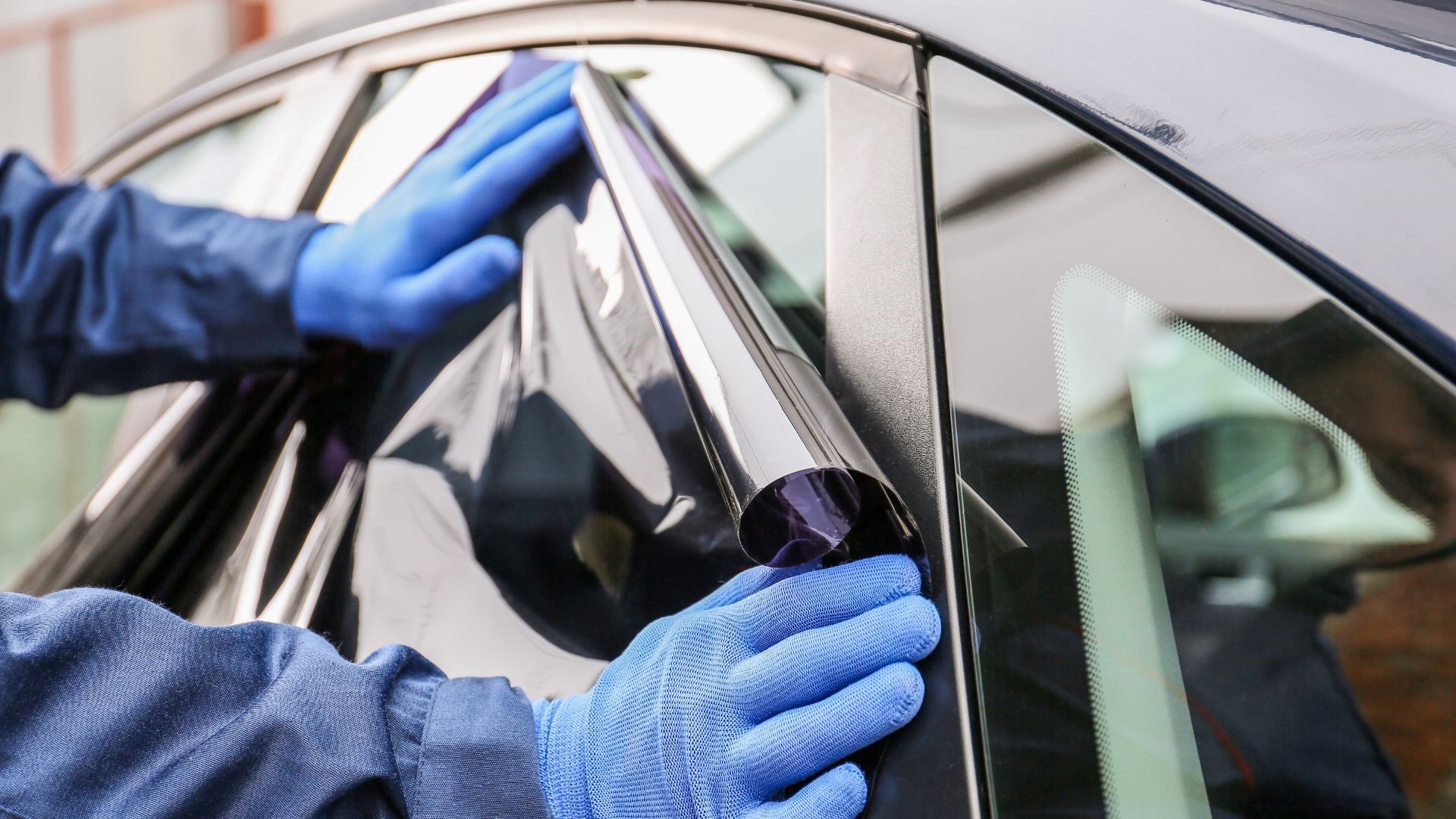
New safety check rules are now in place for windscreen and window tinting. These updates help improve visibility and align with the Road Transport (Vehicle Registration) Regulation 2017. Make sure your inspections follow the latest rules.
The key changes include:
- A further allowance of 5 per cent reduction in light transmittance for the front windscreen of any vehicle to 70 per cent and rejected for 65 per cent.
- Passenger vehicles may now meet a reduced 20 per cent light transmittance for rear windows and rejected for 15 per cent.
- New rules for any film applied to side or rear windows that is damaged or deteriorated, and for film applied to the windscreen, with exceptions for tinted opaque bands at the top of the windscreen, provided they are above the wiper sweep or the top 10 per cent of the windscreen (whichever is greater).
Please review the updated Inspection Rule 105.03 and apply them to all Safety Check inspections to ensure compliance.
Trailer Data Sheets No Longer Required
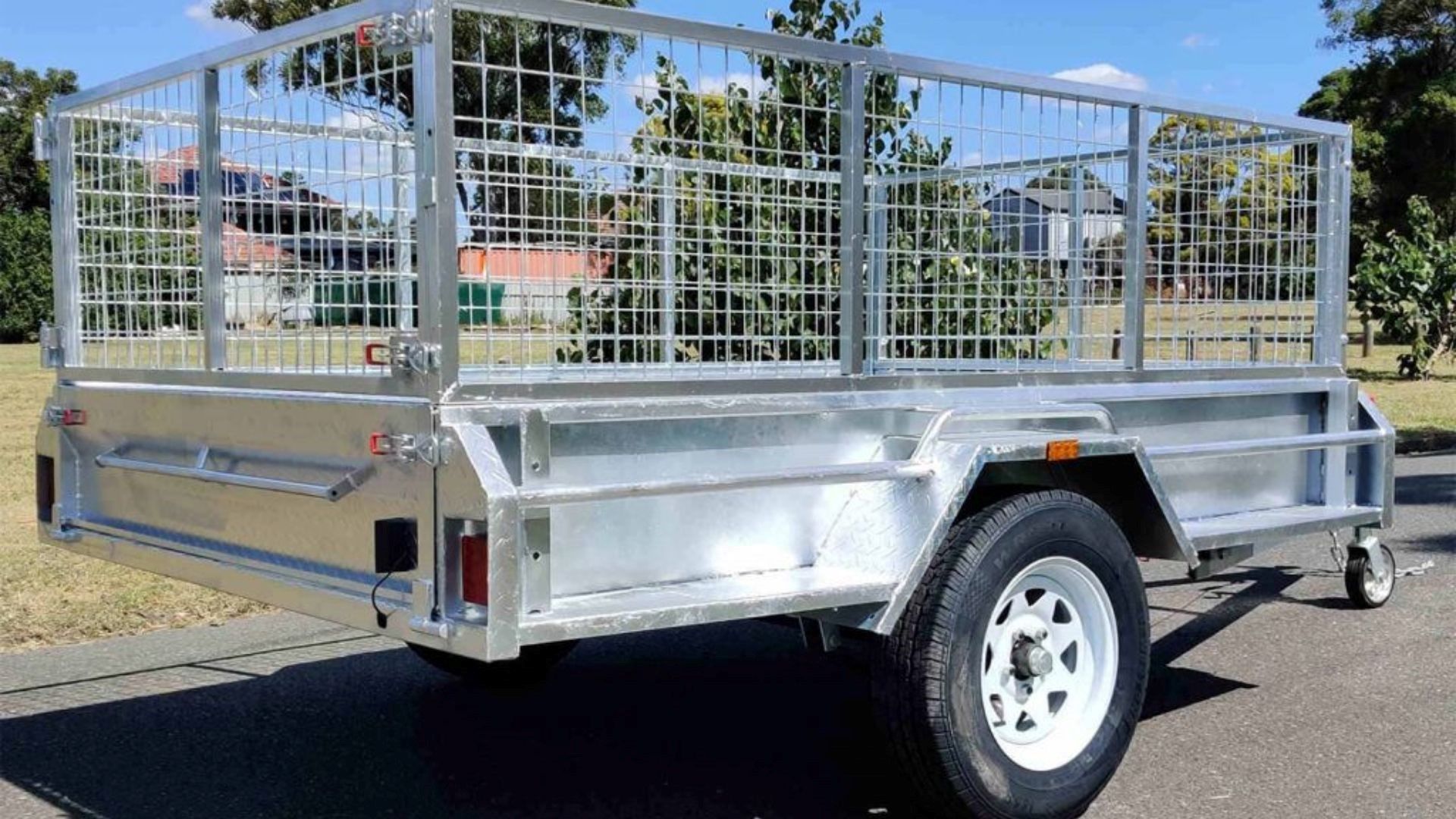
Examiners are reminded that trailer data sheets are no longer required — a change in effect since April last year. Under the current process, examiners must conduct a design check and determine whether a weighbridge ticket is necessary.
To streamline the trailer registration process for both industry and AIS examiners, there is no longer a requirement to contact Technical Enquiries for a trailer data sheet.
Weighbridge tickets will be required if:
- the trailer has a ‘type approved’ entry on the RAV, or
- the trailer’s tare weight does not automatically update in AIS Online
- the trailer has been modified in a way that changes it’s tare mass.
For assistance, contact Technical Enquiries on 1300 137 302.