
Antonella Abbate • 1 September 2026

Italy: Where Speed Became an Art

Passion, performance and the unmistakable sound of an Italian engine

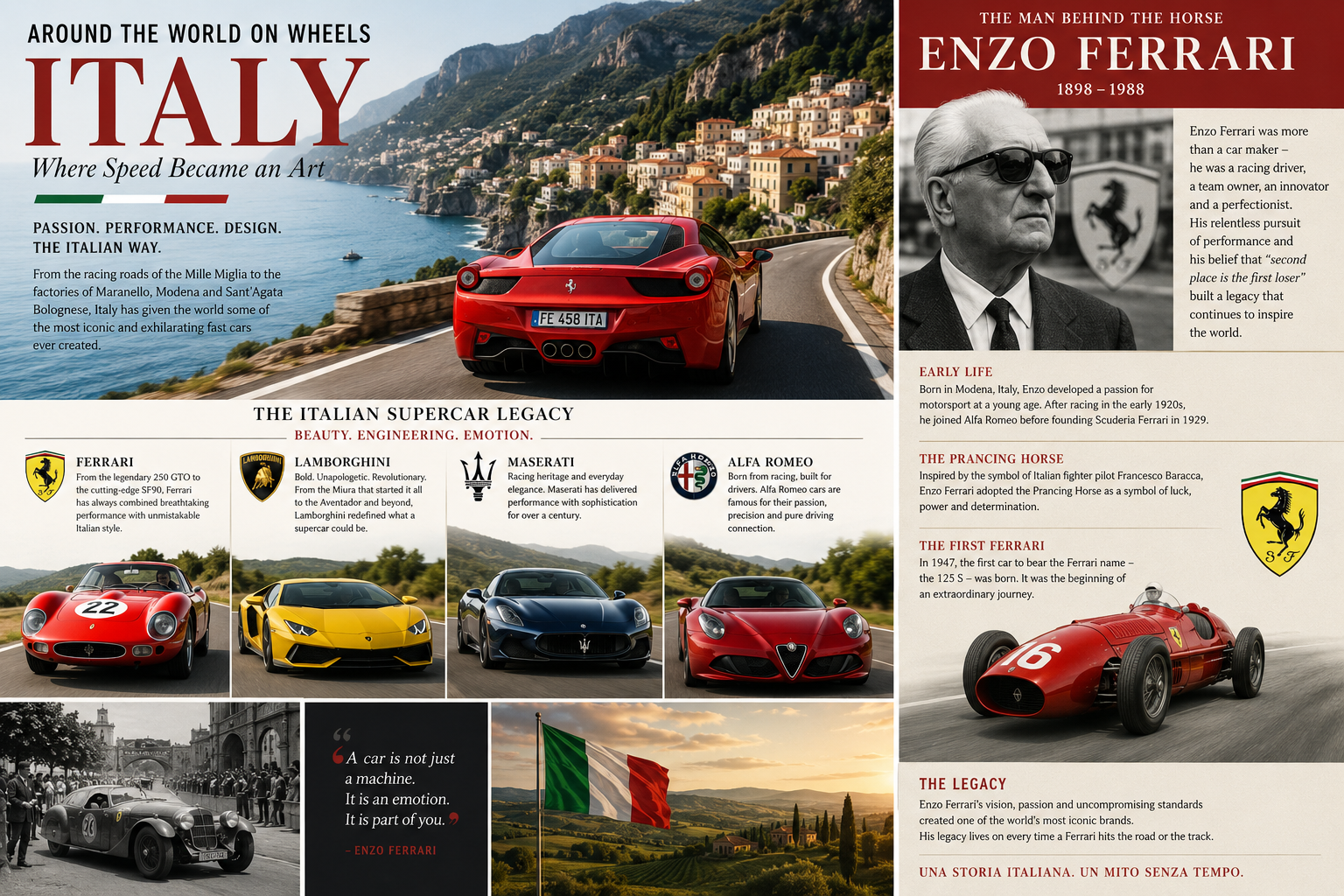
Few countries have shaped the world of performance cars quite like Italy. From the sweeping roads of the Italian countryside to the high-speed drama of Formula One, Italy has always approached the automobile with something more than engineering ambition.


For Italians, a fast car isn't simply a machine designed to get from A to B. It is design, emotion, craftsmanship and performance brought together in one unforgettable package.


And while countries around the world have produced incredible performance cars, Italy created something uniquely its own: the Italian supercar.

The Birth of a Racing Nation

Italy's love affair with speed began long before the modern supercar.


During the early decades of the 20th century, Italian manufacturers and racing drivers were already making their mark on Europe's motorsport scene. Events such as the Mille Miglia transformed the roads of Italy into a proving ground for some of the world's fastest cars.


The legendary 1,000-mile race ran from Brescia to Rome and back, passing through towns, mountains and countryside at extraordinary speeds. It wasn't just a race. It became a national obsession.


Italian manufacturers discovered that success on the road could translate into prestige in the showroom. Racing became the laboratory where ideas about engines, aerodynamics, braking and handling could be tested under extreme conditions. That philosophy would eventually give birth to some of the most famous names in automotive history.

Ferrari: The Prancing Horse

No discussion about Italian performance cars can begin anywhere else. 

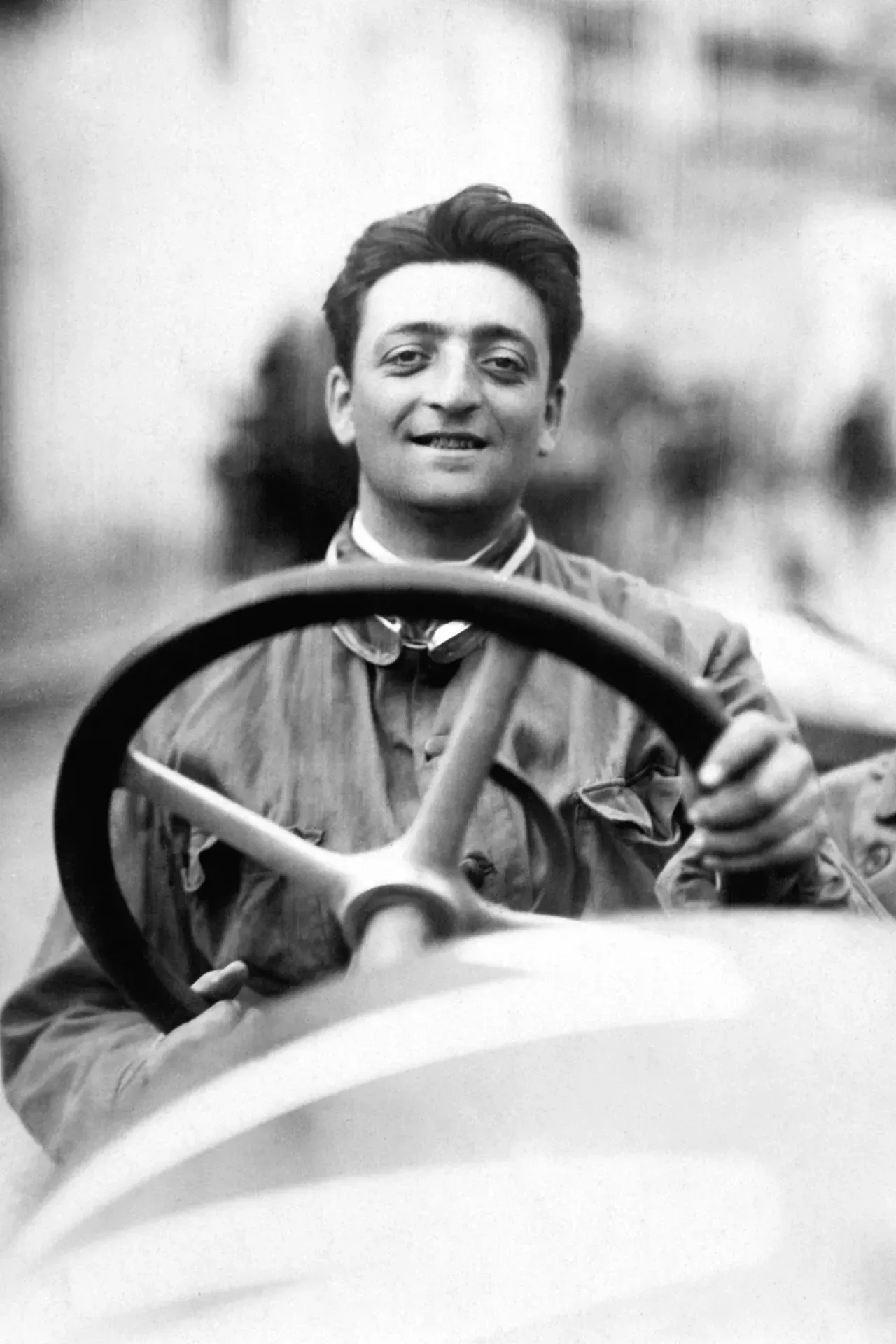
Ferrari was founded by Enzo Ferrari, a man whose obsession with racing ultimately created one of the world's most recognisable automotive brands. 


Ferrari's road cars were initially almost a means of funding the company's racing ambitions. But they soon became icons in their own right.


From the elegant 250 GT to the legendary F40, Ferrari developed a reputation for combining breathtaking performance with unmistakable Italian styling. The F40, launched in 1987, became particularly significant. Lightweight, brutally fast and relatively uncompromising, it represented Ferrari's philosophy in its purest form. There was very little unnecessary decoration. Just a powerful engine, lightweight construction and the promise of speed.


Ferrari's success has always rested on a simple but powerful combination: Racing technology + Italian design + emotional performance. It is a formula that has produced generations of dream cars.

Lamborghini: The Rebel

If Ferrari represented Italy's racing heritage, Automobili Lamborghini represented something different. Lamborghini entered the supercar world with an attitude of its own. Founded by Ferruccio Lamborghini, the company initially built tractors before turning its attention towards high-performance road cars. The arrival of the Miura in the 1960s changed everything.


With its mid-mounted V12 engine and dramatic styling, the Miura is widely regarded as one of the cars that established the blueprint for the modern supercar. Then came the Countach. With its wedge-shaped body, scissor doors and outrageous proportions, the Countach looked less like a conventional automobile and more like something from the future.


For an entire generation of enthusiasts, the Countach was the ultimate poster car.


Maserati: Racing Heritage with Elegance

Before the modern supercar era, another Italian name had already established itself on the racing circuit. Maserati was founded by the Maserati brothers in Bologna in 1914. Unlike some of its rivals, Maserati developed a reputation for combining speed with elegance. The company's racing cars achieved significant success during the early decades of motorsport, while later road cars became famous for their sophisticated styling and powerful engines. Maserati demonstrated that a performance car didn't necessarily have to look aggressive. It could be fast, luxurious and beautifully understated.


Alfa Romeo: Racing DNA

Long before many of today's supercar brands existed, Alfa Romeo was already competing at the highest levels of motorsport. Founded in 1910, Alfa Romeo developed an extraordinary racing heritage. Its cars competed successfully in events across Europe, and the company played an important role in the development of Grand Prix racing. Alfa Romeo's road cars carried that sporting DNA into the hands of ordinary enthusiasts. Models such as the Giulia GTA became icons of lightweight performance, while later generations continued the tradition of combining Italian styling with engaging handling.


Pagani: Art Meets Engineering

Italy's supercar story didn't end with Ferrari and Lamborghini. In the 1990s, Horacio Pagani created a new name in the world of extreme performance. Pagani Automobili approached the supercar differently. Carbon fibre, exotic materials and extraordinary attention to detail became central to the company's philosophy.


The Zonda demonstrated what was possible when engineering and craftsmanship were treated almost like fine art. The later Huayra pushed the concept even further.


Pagani cars aren't simply built. They are effectively crafted. Every switch, lever, surface and mechanical component appears designed to remind the driver that they are sitting inside something very special.


Where speed became an art, racing became a culture, and the automobile became an expression of passion.


From the racing roads of the Mille Miglia to the factories of Maranello, Sant'Agata Bolognese and Modena, Italy's automotive story is one of ambition, rivalry, innovation and — above all — passion.

Read More about The Man Behind the Horse, Enzo Ferrari

The Italian Supercar Recipe


So what makes an Italian performance car different?


Perhaps it is difficult to quantify.

Italian manufacturers have never been afraid to put emotion alongside engineering. A Ferrari doesn't just need to be fast.

It needs to sound fast.


A Lamborghini doesn't simply need aerodynamic efficiency.

It needs to look outrageous.


A Pagani doesn't merely need to use advanced materials.

Those materials need to be presented almost like jewellery.

And that is the secret of Italian performance cars. They appeal to the head and the heart.

More Than Numbers


Modern performance cars can produce astonishing figures. 0–100 km/h times can be measured in seconds. Top speeds can exceed 300 km/h. Computer-controlled suspension, active aerodynamics and sophisticated electronic systems can make cars faster and more capable than ever.


But Italy's greatest contribution to the performance-car world isn't a particular horsepower figure.

It is the idea that a car can be an emotional experience. The sound of a V12 echoing through a mountain pass. The shape of a Lamborghini disappearing around a corner. The sight of a Ferrari badge on a classic GT. The mechanical theatre of a manual gearbox.


These experiences are difficult to measure on a specification sheet. Yet they are exactly why enthusiasts fall in love with cars.

Italy's Fast-Car Hall of Fame


Ferrari F40: Raw, lightweight and unforgettable.


Lamborghini Miura: The car that helped define the modern supercar.


Lamborghini Countach: The ultimate 1980s dream machine.


Ferrari 250 GTO: One of the most celebrated racing and road cars ever produced.


Alfa Romeo Giulia GTA: Lightweight Italian performance with genuine racing DNA.


Maserati MC12: A spectacular expression of Maserati's racing heritage.


Pagani Zonda: Where engineering became automotive sculpture.


Ferrari LaFerrari: A modern expression of Ferrari's performance philosophy.

by Antonella Abbate 1 September 2026
Enzo Ferrari: The man who built a racing empire
by Antonella Abbate 27 August 2026
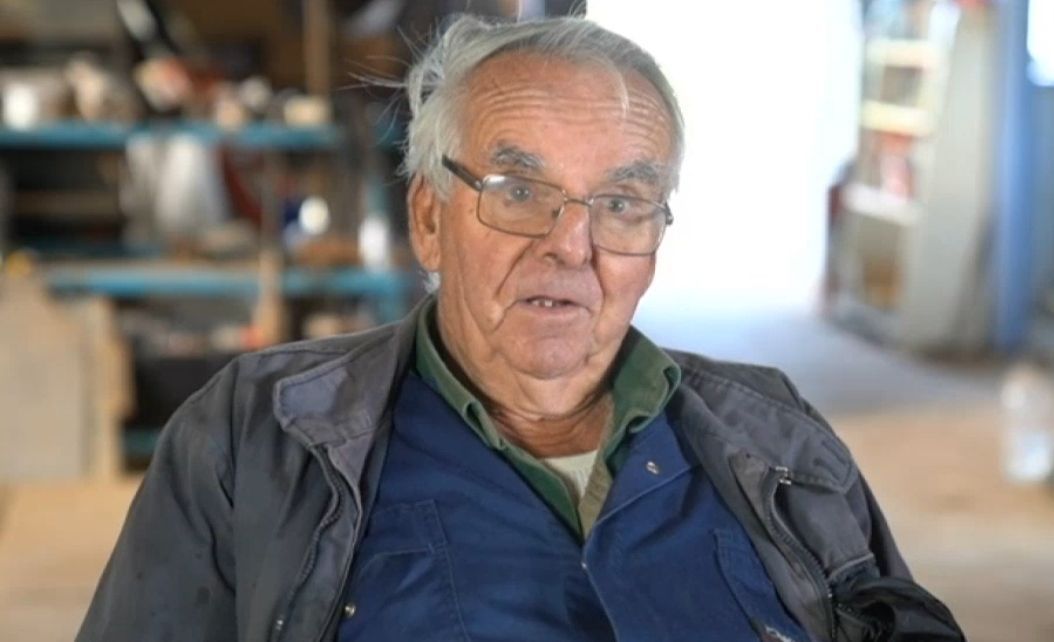
A lifetime of service to the automotive industry and the Bribbaree community
by Antonella Abbate 20 August 2026
We’re excited to welcome Scott Denning to the IAME team as our newest Trainer, supporting apprentices, employers and hosts across Sydney and the Central Coast .