Member Spotlight: David Marston

Get to know IAME Member:
David Marston – From Basic Engines to Complex Electronics – An IAME Mechanic’s View of 45 Years in Sydney
Evolution
I arrived in Australia from England, for a month’s extended holiday in 1979, after working on the passenger liner Arcadia. The holiday changed the direction of my life. Learning automotive mechanics, I bought a mobile franchise and cut my teeth tuning cars on the road with a mobile workshop. Over the years I built workshops, trained hundreds of mechanics and now work full time as an independent automotive expert.
After leaving the Arcadia and obtaining my Permanent Residency Visa, I worked for ARMCO making road guardrail. An opportunity arose in the early 1980’s, and I bought a HOME TUNE franchise, one of Sydney’s first mobile mechanic services. In those days mobile mechanics were not popular with regular workshops as they were cheap to set up, and they were seen as only doing the easy jobs in an industry which was not regulated.
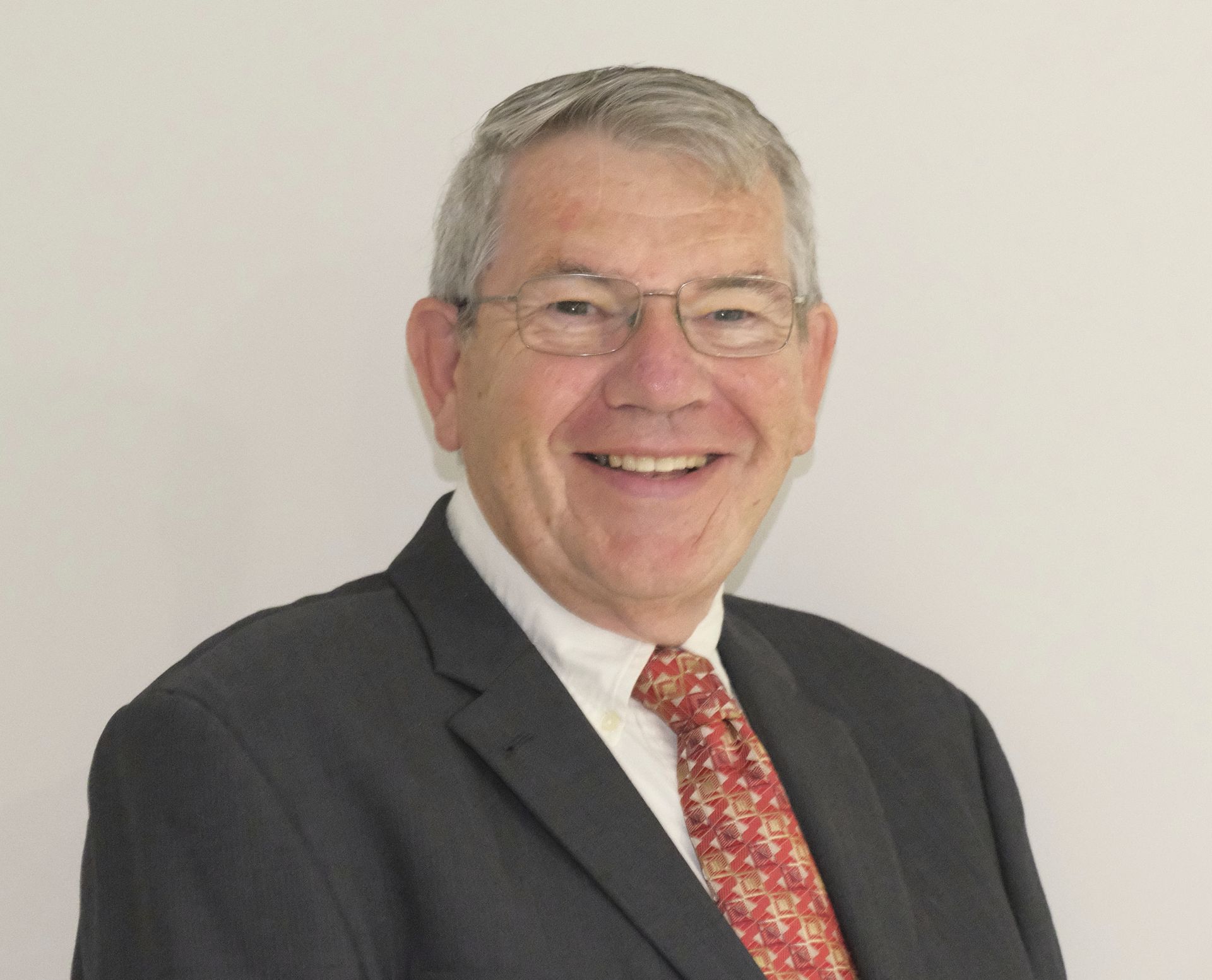
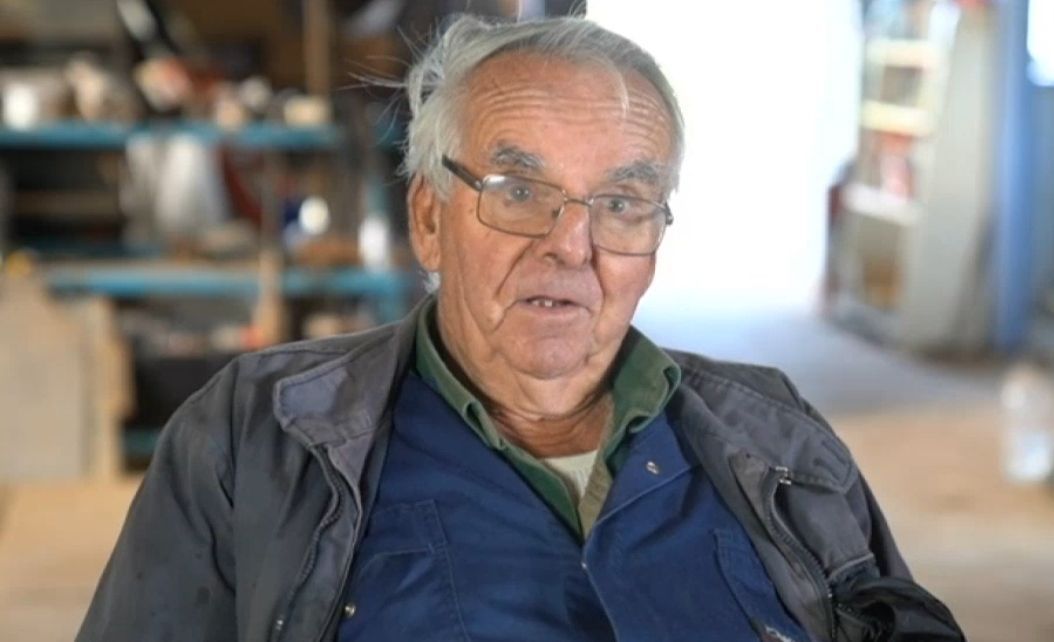
David Marston M.M.I.A.M.E, BVocED&Train CSturt
Mobile work taught me to improvise, diagnose by ear and feel, and to build trust quickly with customers who needed a fast, honest fix. The trade I walked into was honest and hands‑on. Cars were mechanical puzzles you could see and touch: single barrel Stromberg carburettors, GB534 and GL19v points, distributors, simple hydraulic brakes, and steel bodies you could hammer straight.
However, the winds of change were rapidly moving through this simple industry. Australian Design Rule (ADR) 27A came into force in Australia on July 1, 1976, and was already forcing manufacturers to make emission modifications to their engines limiting vehicle exhaust and evaporative emissions. The rule remained in effect until it was eventually replaced by ADR 37/00 July 1, 1988, which mandated unleaded fuel and catalytic converters along with multiple emission systems controlled by vacuum hoses that perished, or were blocked off during services!
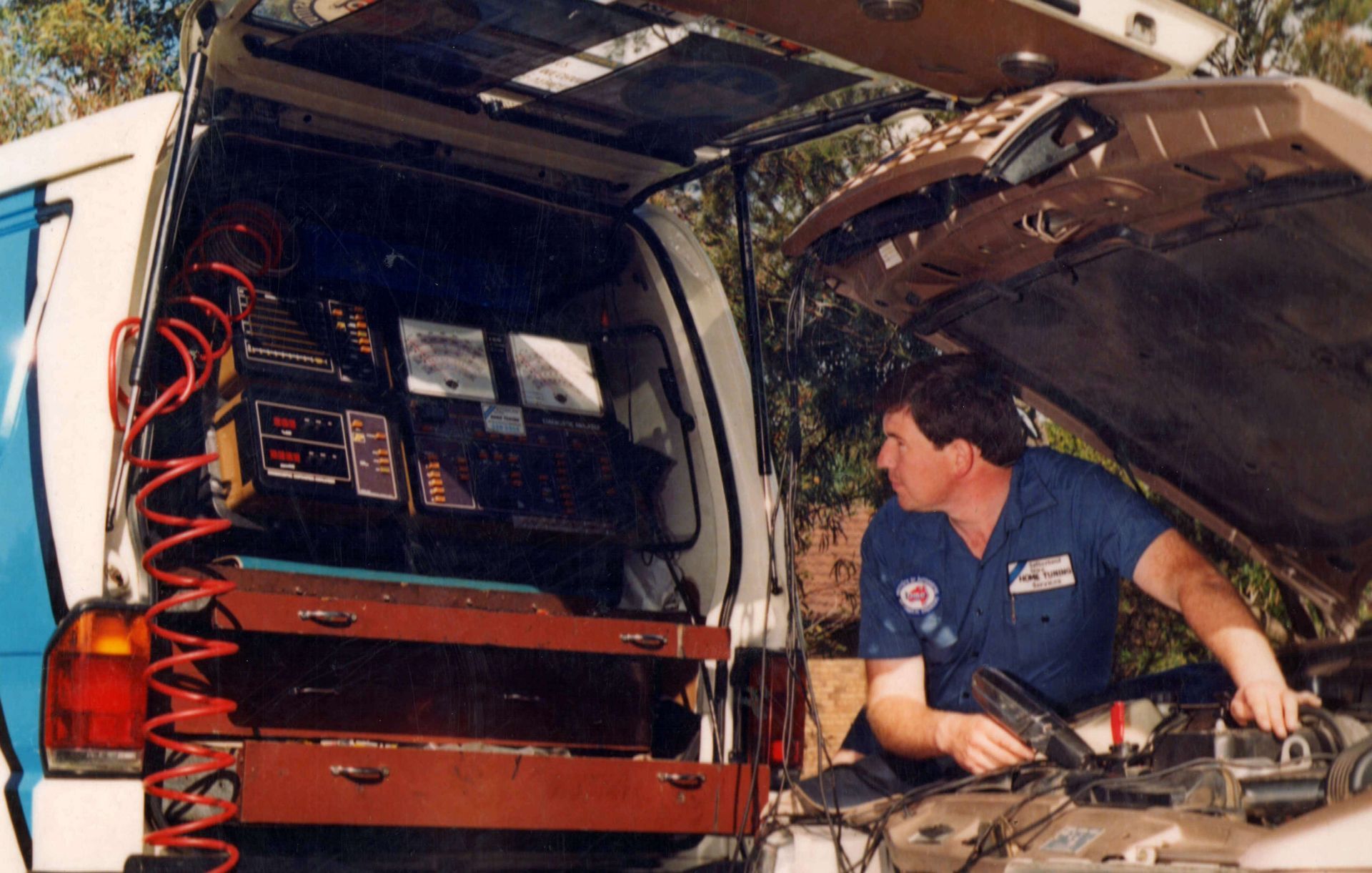
By the 1990’s the industry changed from a place of hammers and feeler gauges to a hybrid of mechanical and electronic repairs. Workshops necessitated toolboxes contained specialised tools and test equipment including scan tools.
As the industry evolved I moved to having a combination of fixed premises and mobile vehicles to eventually owning a large multi‑bay workshop with an attached training centre. Running a busy workshop meant managing people, paperwork, computerisation, and quality systems as much as it meant turning spanners.
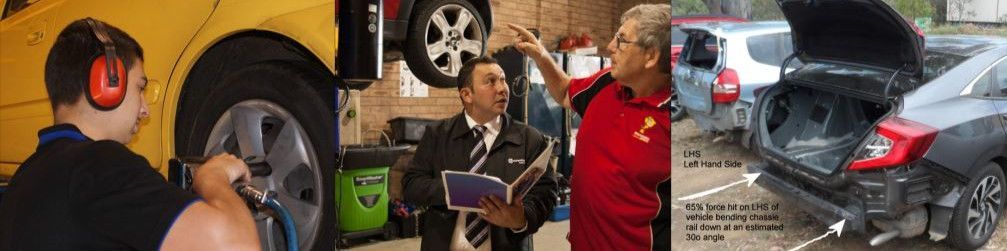
The technical leap has been seismic. Fuel injection, engine management systems, ABS, airbags, and later hybrid and EV systems transformed diagnostics. Where a timing light and a feeler gauge once solved most problems, modern cars demand scan tools, waveform analysis, and ECU reprogramming. High‑voltage systems introduced strict safety protocols; hydrogen and alternative fuels brought new design and certification challenges. Mechanics now need software literacy as much as mechanical intuition.
Alongside technical change came a shift in how the trade is organised. Independent owner‑operators and dealer networks gave way to a mixed landscape including franchise groups and specialised independents. Insurance and regulatory demands increased necessitating documented procedures, certified training, and defensible repair standards.
To take full economic advantage of these changes it was always necessary to maintain consistency in my, and my teams, education and training, upgrading technical skills became a regular part of running a workshop. The IAME ran training courses on a regular basis, covering new technologies, business management workshop health and safety and marketing. On average my team and I attend 4 – 6 training sessions a year and I obtained a degree from CSU in Adult Education. In my workshop training room, I designed and delivered nationally accredited courses. These included LPG installation and air‑conditioning training, enabling the certification of more than 250 mechanics in LPG systems and more than a 100 in air‑conditioning service and repair.
Regulatory change
In an attempt to regulate the automotive industry, following the passage of the Motor Vehicle Repairs Act 1980, the Motor Vehicle Repair Industry Council (MVRIC) was established in 1981. The Council operated until the early 2000’s, when its functions were transitioned to the Motor Vehicle Repair Industry Authority (MVRIA). The Council introduced mandatory licensing for any motor vehicle repair business to ensure they operated from compliant premises and had qualified personnel.
Importantly the Council operated a Disputes Committee to mediate complaints between consumers and repairers regarding the quality or cost of repair work. However, based on multiple inspectors decisions, the industry saw the committee as biased towards the consumer.
The Australian Consumer Law (ACL) first came into force on 1 January 2011. It was introduced as part of the Competition and Consumer Act 2010. This gave consumers an easier and cheaper path to challenge repairer quality and costs, meaning consumers nowadays are more litigious and quicker to question repairs as they are often backed up from incorrect advice via Google.
Therefore, repairers nowadays not only have to carry out more involved and technical repairs to vehicles, but they also need to have appropriate documentation and images to support their repair and methods should a dispute arise.
“We must train for electrification and keep independent repairers connected to manufacturer data, otherwise the trade and the consumer lose out.”
The IAME and me
In the early 2000 I was asked to support IAME members, fellow mechanics, and businesses with technical information and reports to help defend claims against them. Since 2002 I have prepared hundreds of forensic vehicle assessments for IAME Members, technicians, automotive businesses, law firms, and insurers. That work taught me that good evidence and clear reporting are as important as good repairs.
Industry leadership and training have been a constant thread. I served as National Chairman of the Australian Automotive Repairers Association from 2014, and I have been active with the IAME and MTA at various levels. My businesses received industry recognition, including the MTA President’s Award in 2007 and the MTA Motor Industry Award in 2017. In November 2019 I was invited by the United Nations to Inner Mongolia to assess emissions‑reduction technology for a fleet of 1,500 heavy vehicles utilising equipment I designed. A reminder that local skills can have global reach.
I am a proud IAME Master Mechanic with over 45 years' practical experience repairing and modifying light and heavy vehicles, motorcycles, and marine vessels. Since 2002, I have conducted hundreds of vehicle assessments, investigating crash damage to mechanical and panel components, assessing paint, panel and mechanical repairs, and examining incidents involving post-impact fires and resulting injuries.
The future
Today the trade faces big challenges and clear opportunities. Vehicle Electrification and Hydrogen Fuels demand new infrastructure, retraining, and updated safety methods. Independent repairers must retain fair access to manufacturer diagnostic data, workshop manuals, and tools if competition and consumer choice are to survive. The skills pipeline needs attention: experienced technicians are retiring while demand for high‑skill diagnosticians grows.
My advice to the next generation of mechanics is simple:
- Keep the practical instincts that make a good technician but embrace continual learning
- Keep abreast of the industry trends with membership and news from IAME
- Invest in training; if a course is available grab the opportunity to be on it
- Insist on safe procedures and equipment for high‑voltage and alternative fuel work
- Continue to push for fair access to all manufacturer’s technical data
Personal timeline highlights
- 1979 Arrival in Australia after service on Arcadia.
- 1979–1980 ARMCO process worker (eight months).
- Early 1980s Purchased HOMETUNE franchise (mobile mechanics).
- 2002 Began forensic and expert witness work alongside running workshops.
- 2005 Approved Assessor for major insurers.
- 2014 Appointed National Chairman, Australian Automotive Repairers Association.
- 2017 Sold final multi‑bay workshop and training centre; now full‑time independent Automotive Expert.
- 2019 UN invitation to China and Inner Mongolia Hydrogen Power Systems
- 2023 China Hydrogen Power Systems Heavy Mining Vehicles
- 2024 Abu Dahbi Hydrogen Bi-Fuel Power Systems Generators
- 2026 India Hydrogen Bi-Fuel Power Systems Diesel Electric trains
Key qualifications
- Bachelor Vocational Education & Training (Charles Sturt University).
- Cert III & IV Automotive Technology; Cert IV in Training and Assessment.
- AURETH101 Battery Electric Vehicles; AURETH011 Hybrid Electric Vehicles.
- Tradesman certificates: LPG Mechanic; Light Vehicle Mechanics.
- Air‑conditioning tradesman license (AUR20705).
- NSW Repairers License; NSW Roads & Maritime Services Assessor (Light Vehicle Inspections).
Specialist skills
- LPG conversions, installation, and certification.
- Hybrid/EV high‑voltage safety and failure assessment.
- Hydrogen and alternative fuel systems design and testing.
- Crash Data Retrieval (EDR) and forensic vehicle examinations.
- Engine rebuilds, drivetrain, chassis, and heavy vehicle servicing.
The workshop will remain a place of problem‑solving and camaraderie, but it will also be a place where software, safety, recorded repair procedures, and standards matter as much as torque and timing.
Want to be our next Member under the Spolight?