
Did You Know?
Australia is home to some of the longest and heaviest road-going vehicle combinations in the world?

Australia’s Road Trains – The Giants of the Outback
Road trains are a uniquely Australian solution to the challenge of transporting enormous amounts of freight across vast distances. With rail infrastructure not always available in remote areas, road trains provide a vital link between mines, farms, regional communities, ports and major cities.
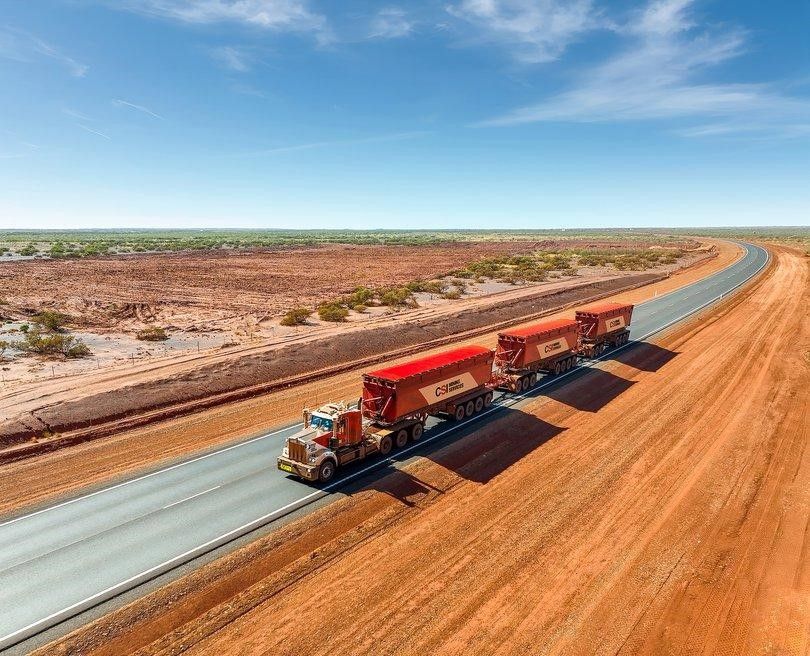
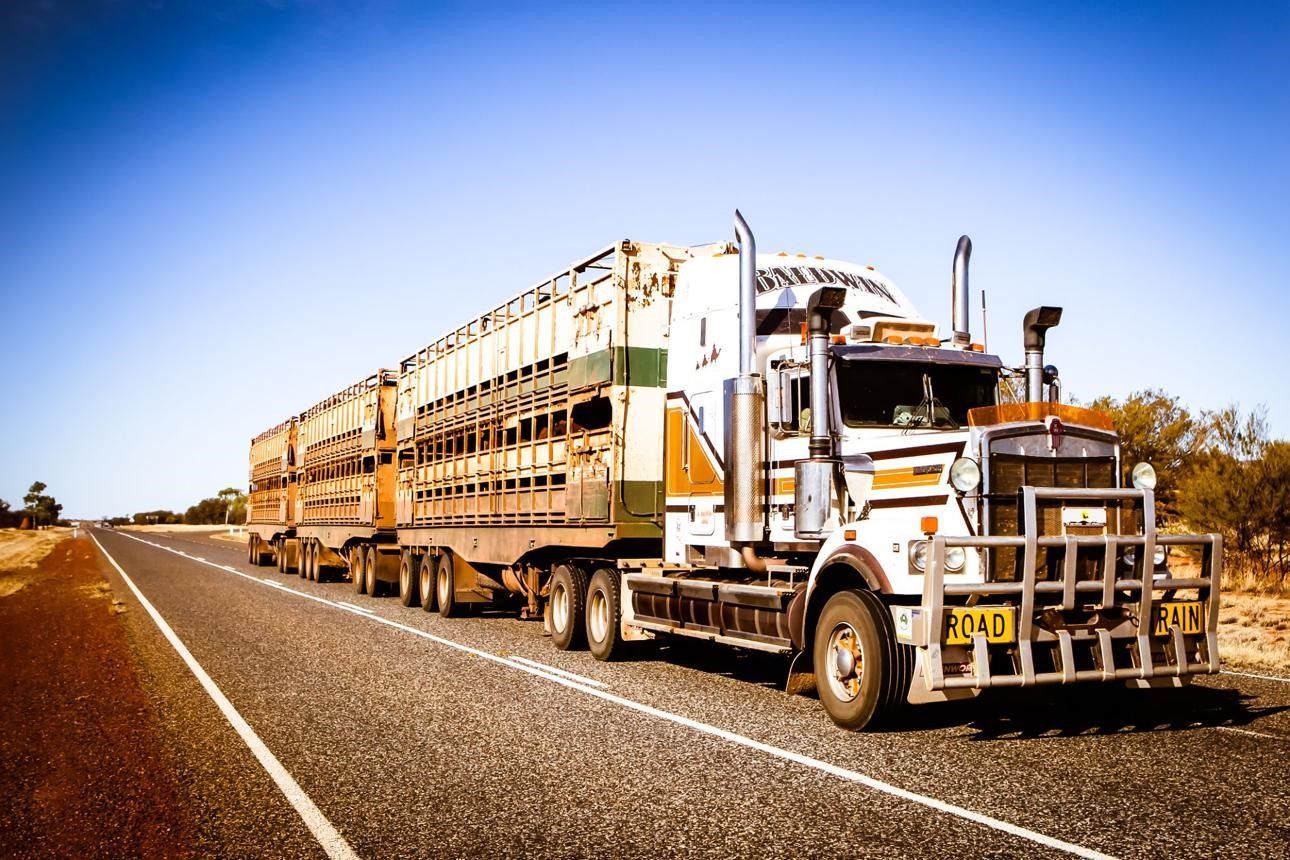
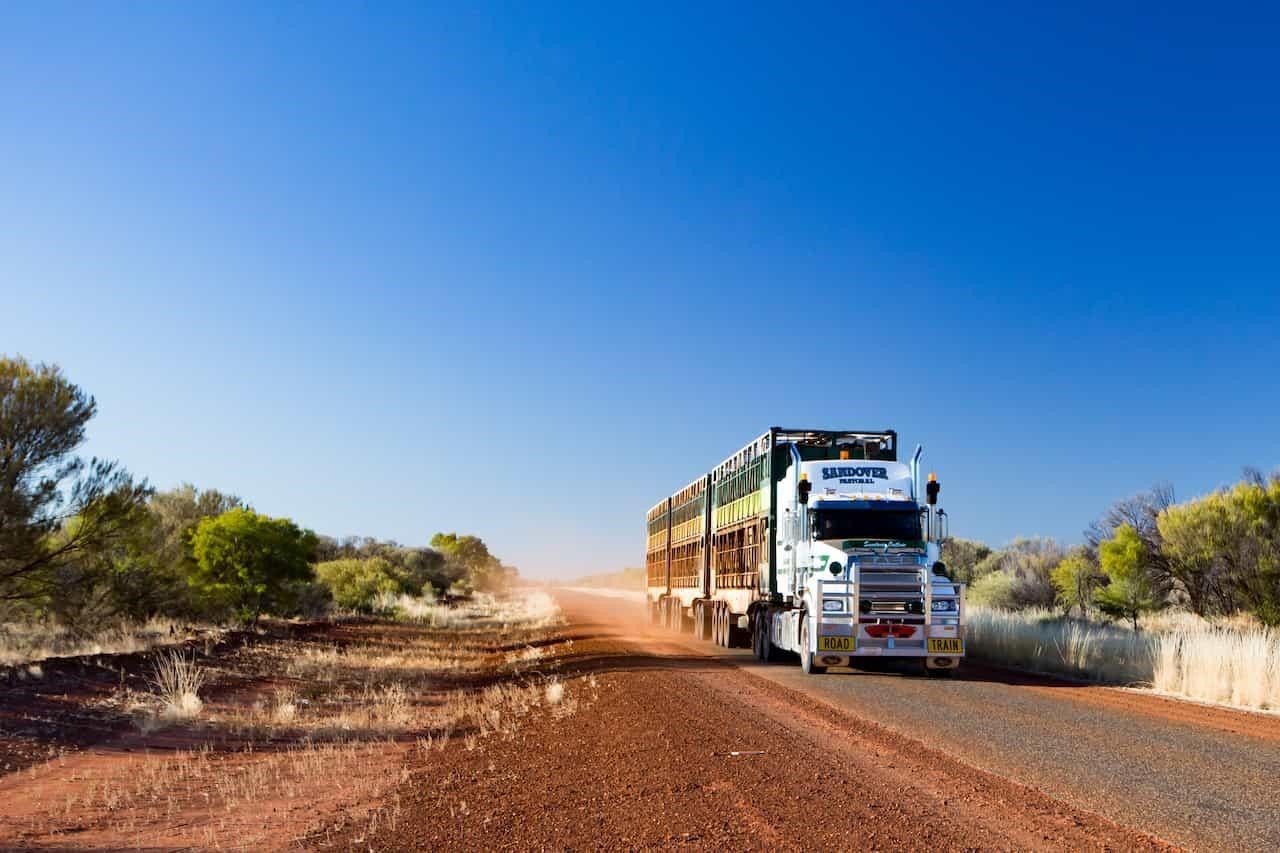
A road train can consist of a prime mover pulling two, three or even more trailers, depending on the vehicle configuration and the roads on which it operates. Some of the largest combinations can exceed 50 metres in length and have a gross combination mass of more than 100 tonnes.
Built for the Australian Outback
Road trains operate in some of the harshest conditions imaginable. Long stretches of isolated highway, extreme temperatures, dust, corrugations and enormous distances all place tremendous demands on the vehicle and its components.
A heavy-vehicle technician working on a road train needs to understand much more than just the engine. Braking systems, steering, suspension, driveline components, wheel-end assemblies, cooling systems, transmissions and electrical and electronic systems all need to operate reliably.
A failure hundreds of kilometres from the nearest workshop isn't simply inconvenient — it can create a major logistical and safety problem.
Modern Technology
While road trains may look like enormous mechanical machines, today's prime movers are packed with sophisticated technology.
Modern heavy vehicles can incorporate:
- Electronic engine management systems
- Automated manual transmissions
- Advanced braking and stability systems
- Electronic diagnostic systems
- Turbocharged and high-pressure diesel engines
- Exhaust after-treatment and emissions systems
- Driver-assistance and safety technologies
- Telematics and fleet monitoring
This means today's heavy-vehicle technician needs a combination of traditional mechanical skills and modern diagnostic knowledge.
Keeping Australia Moving
Road trains play an important role in transporting fuel, food, livestock, agricultural products, mining equipment and other essential freight across Australia.
For many remote communities, the arrival of a road train is more than just another truck passing through — it can be an essential part of keeping supplies moving.
Road Trains: The Giants of the Australian Outback
Australia is a country of enormous distances, and few vehicles represent the challenge of moving freight across those distances better than the road train.
With their multiple trailers, powerful prime movers and enormous loads, road trains have become an iconic part of the Australian landscape. From the highways of the Northern Territory and Western Australia to the remote roads of Queensland and South Australia, these impressive combinations play a vital role in keeping freight moving across some of the most isolated parts of the country.
💡 DID YOU KNOW?
One of the fascinating things about Australia's road trains is that their size and configuration aren't simply determined by how much freight a truck can physically pull. Vehicle dimensions, axle groups, mass limits, road classifications, operating conditions and state and territory regulations all influence what combinations can legally operate.
That makes the technicians, operators and businesses working in the heavy-vehicle industry an important part of Australia's transport network.
Big trucks. Big distances. Big responsibility.
And behind every road train travelling safely across Australia is a team of people who help keep it
maintained, compliant and moving.
Built for Big Distances
Unlike many other parts of the world, Australia relies heavily on road transport to connect remote communities, agricultural regions, mining operations and major cities.
Road trains provide an efficient way of transporting large quantities of freight over enormous distances. A single combination can carry the equivalent of several conventional trucks, reducing the number of individual trips required to move the same amount of freight.
Depending on the configuration and the roads on which they operate, some Australian road trains can stretch to more than 50 metres in length and operate at weights exceeding 100 tonnes.
For the people behind the wheel, this means operating a vehicle that is essentially a moving combination of several heavy vehicles, often across hundreds or thousands of kilometres of remote country.
Designed for the Australian Outback
Road trains aren't simply oversized trucks. They are specifically configured to handle the demanding conditions found throughout regional and remote Australia.
Extreme temperatures, dust, corrugated roads, long distances and limited access to repair facilities can place enormous stress on every component.
The prime mover needs to produce substantial power and torque while remaining reliable over long periods. Engines, transmissions, cooling systems, driveline components, suspension and braking systems all have to cope with the enormous loads involved.
Tyres and wheel-end components are also critical. A problem in these areas can have serious consequences, particularly when a vehicle is operating hundreds of kilometres from the nearest major town.
The Technology Behind the Truck
Although road trains are often associated with rugged mechanical engineering, modern heavy vehicles are highly sophisticated machines.
Today's prime movers can incorporate advanced electronic engine management, automated manual transmissions, sophisticated braking systems, stability control, electronic diagnostics, emissions technology, telematics and a range of driver-assistance systems.
This has changed the role of the heavy-vehicle technician.
The modern technician needs to understand traditional mechanical systems while also being comfortable working with electronic control units, diagnostic equipment, sensors, communication networks and computer-controlled systems.
A fault that once may have been diagnosed by listening to an engine or inspecting a mechanical component may now require a scan tool and an understanding of the data being produced by multiple electronic systems.
Keeping Road Trains Moving
For operators running road trains in remote areas, preventative maintenance is particularly important.
A vehicle breakdown in a metropolitan area may mean a tow truck and a workshop are relatively close by. In the outback, the situation can be very different.
Regular inspections, servicing and component checks can help identify potential problems before they become major failures.
Heavy-vehicle technicians therefore play an incredibly important role in the road transport industry. Their work helps ensure that these enormous combinations remain safe, reliable and ready for the long journeys ahead.
More Than Just Freight
Road trains transport an enormous variety of goods around Australia, including fuel, food, livestock, agricultural products, mining equipment and other essential supplies.
In remote areas, the road train can be a critical link between communities and the rest of the country.
Every load that arrives safely at its destination represents the combined effort of drivers, technicians, fleet operators, logistics teams and countless others working behind the scenes.
An Australian Icon
There is something uniquely Australian about seeing a road train approaching on a long, straight stretch of outback highway.
The size of the vehicle, the sound of the engine and the seemingly endless line of trailers are a reminder of just how vast this country is — and just how much work goes into keeping it supplied.
Road trains have evolved considerably since their early days, but their purpose remains much the same: moving enormous amounts of freight across enormous distances.
For Australia's heavy-vehicle industry, they represent some of the most demanding operating conditions and provide an excellent example of how engineering, technology and skilled people come together to keep the country moving.
From the workshop to the outback highway
Behind every road train is a team of skilled people who ensure that it is ready for the journey.
For heavy-vehicle technicians, maintaining these machines is about more than fixing trucks. It's about understanding the systems, technology and conditions that allow some of Australia's biggest vehicles to safely perform one of the country's most important jobs.
Big distances. Big loads. Big machines — and an industry that keeps Australia moving.