


General Motors and TWG Global Join Forces with Formula 1 to Launch Cadillac Team in 2026
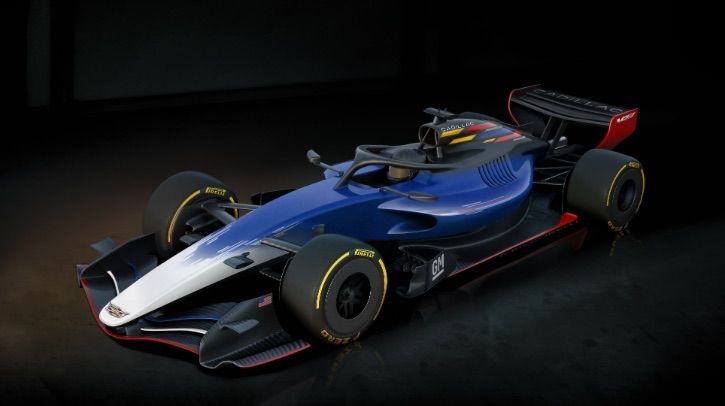
In a groundbreaking move, General Motors (GM) and TWG Global have announced an agreement in principle with Formula 1 to introduce a Cadillac-branded team to the grid starting in 2026. This collaboration marks a historic step for the iconic American automaker as it ventures into the world's premier motorsport series.
A Historic Partnership
The partnership between GM, one of the automotive industry's titans, and TWG Global, a sports and entertainment investment group, underscores the growing allure of Formula 1 globally. The series has seen a surge in popularity, particularly in North America, thanks to the success of the Netflix series Drive to Survive and recent high-profile races in Miami and Las Vegas.
Cadillac's entry into Formula 1 will signal the return of a major American car brand to the series, aligning with F1’s ambitions to grow its presence in the U.S. market. The project will be helmed by TWG Global and its subsidiary, Andretti Global, which will manage the day-to-day racing operations.
Aiming for 2026 and Beyond
The 2026 timeline is particularly strategic, as it coincides with the introduction of new F1 regulations emphasizing sustainability and efficiency. These changes include a shift to 100% sustainable fuels and increased electrification of the power units, aligning with GM’s broader commitment to a zero-emissions future.
Cadillac’s foray into Formula 1 is expected to leverage GM’s advanced engineering capabilities and rich heritage in motorsport, which includes success in endurance racing and IndyCar. The team will likely draw on the expertise of Andretti Autosport, which has a storied history in racing across multiple disciplines.
Strengthening the U.S. Presence in Formula 1
This move adds another layer to the growing U.S. influence in Formula 1, as it follows the introduction of American races and the rise of young talent like Logan Sargeant. Formula 1 President and CEO Stefano Domenicali expressed excitement about GM’s involvement, emphasizing the importance of strong global automotive brands in enhancing the sport’s appeal.
What’s Next?
While the agreement in principle is a significant milestone, the new team must still secure final approval from the FIA, Formula 1’s governing body. This process includes meeting the stringent requirements for financial stability, technical capability, and long-term commitment.
Should the green light be given, the Cadillac team will add a new dimension to the F1 grid, competing alongside other iconic names like Ferrari, Mercedes, and Red Bull. It promises to bring American flair and innovation to the global stage, captivating fans and elevating the sport’s competitive landscape.
The 2026 season cannot come soon enough for motorsport enthusiasts, as Cadillac’s entry heralds an exciting new chapter in Formula 1 history.