

End of an Era: Nissan Leaf Bows Out as the Nissan Ariya Sets the Stage for the Future
The automotive world is bidding farewell to a pioneer in the electric vehicle (EV) revolution as the Nissan Leaf comes to the end of its production run. Launched in 2010, the Leaf was a trailblazer for mass-market EVs, setting benchmarks in affordability, practicality, and innovation. However, as the Leaf takes its final bow, Nissan is gearing up for its next big step in the EV evolution: the Nissan Ariya, which is set to make its Australian debut in late 2025 after its recent release in New Zealand.
The Legacy of the Nissan Leaf
The Nissan Leaf holds a special place in automotive history as one of the first fully electric vehicles to gain global popularity. Over its lifespan, it sold over half a million units worldwide, helping to normalize EVs and pave the way for sustainable transportation.
Key to its success was its practicality and affordability. The Leaf offered drivers an efficient and eco-friendly alternative to internal combustion engine (ICE) vehicles without the luxury price tag often associated with early EVs. Its impact extended beyond individual consumers, influencing governments to expand EV infrastructure and incentivize adoption.
However, the EV landscape has transformed significantly in the past decade. The rise of advanced battery technology, increasing competition, and the shift towards versatile EV platforms have called for a new generation of electric vehicles, paving the way for the Nissan Ariya.
The Nissan Ariya: A New Dawn
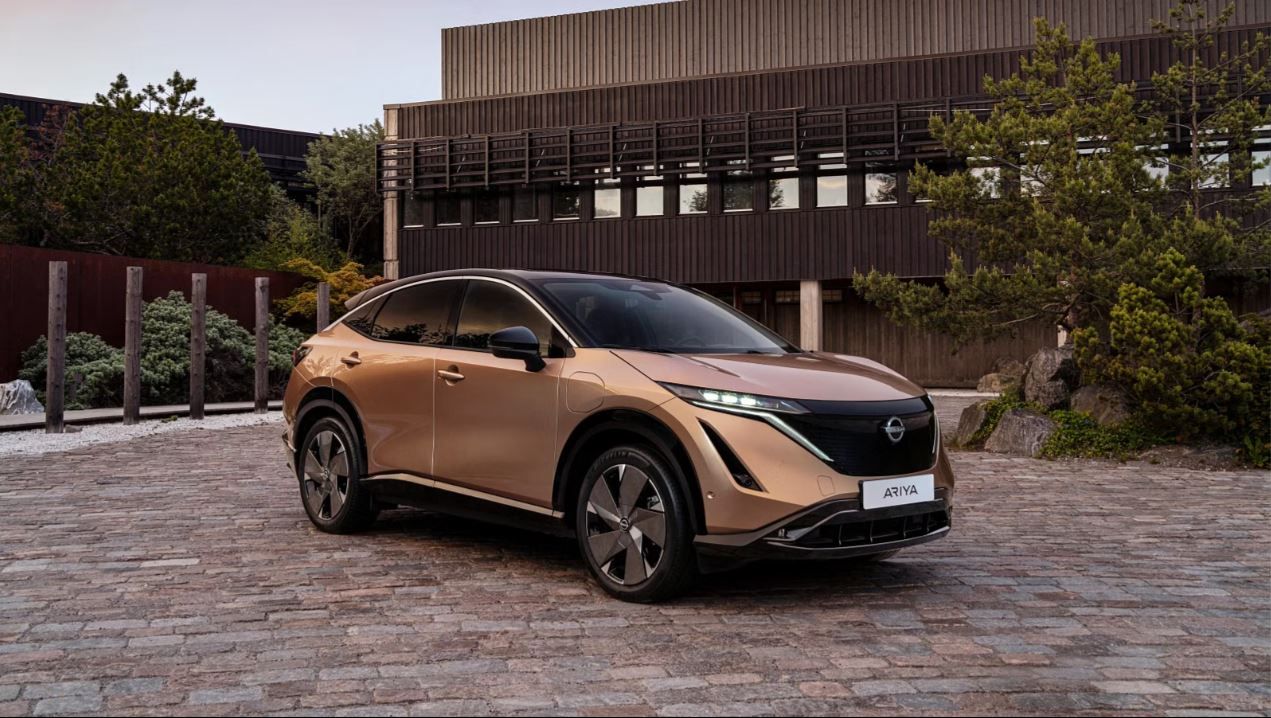
The Nissan Ariya is Nissan’s bold answer to the modern EV market, which is now crowded with players like Tesla, Hyundai, and Toyota. This sleek and futuristic crossover combines cutting-edge technology, impressive performance, and a design philosophy that reflects the brand’s forward-looking ethos.
The Ariya recently launched in New Zealand, making it the first market in the region to experience Nissan’s new flagship EV. Its arrival ahead of Australia underscores Nissan's confidence in its appeal and competitive edge. The Ariya will officially hit Australian showrooms in late 2025, poised to challenge a new wave of EVs and hybrids from major original equipment manufacturers (OEMs).
What the Ariya Offers
The Nissan Ariya is built on the Renault-Nissan-Mitsubishi Alliance's advanced CMF-EV platform, designed to deliver optimal performance, efficiency, and comfort. Key features of the Ariya include:
- Impressive Range Options: Depending on the variant, the Ariya offers a range of up to 610 kilometers (WLTP cycle), making it ideal for long-distance travel.
- Dual-Motor e-4ORCE Technology: Available in all-wheel drive, the Ariya’s dual-motor system ensures balanced performance and superior traction, catering to both urban and adventurous drivers.
- Futuristic Design: With a minimalist yet luxurious cabin, the Ariya boasts a dual 12.3-inch screen setup, touch-sensitive controls, and a flat floor for maximum interior space. Its exterior design is a blend of bold aesthetics and aerodynamic efficiency.
- Advanced Connectivity and Safety: The Ariya features Nissan’s latest ProPILOT driver assistance technology, seamless smartphone integration, and over-the-air updates to keep the system current.
Competition in a Crowded Market
The Australian EV market is set to become even more competitive by 2025, with many OEMs introducing new electric and hybrid models. Tesla’s Model Y, Hyundai’s Ioniq 5, and Toyota’s bZ series are already strong players in the segment. However, the Ariya’s combination of range, technology, and versatility positions it as a formidable contender.
Moreover, the Ariya benefits from Nissan’s decade-plus experience in EV development, giving it an edge in battery management and efficiency.
A Strategic Step for Nissan
By releasing the Ariya in New Zealand first, Nissan has tested its ability to meet the demands of a discerning market before its larger Australian rollout. The move reflects Nissan’s strategic approach to leveraging smaller markets as launch pads for global success.
Additionally, the Ariya’s late 2025 release aligns with Australia’s increasing investment in EV infrastructure and the adoption of stricter emissions standards, ensuring the car enters a more EV-friendly environment.
The Future of Nissan EVs
The Ariya is more than just a successor to the Leaf—it represents Nissan’s broader ambition to lead in the next era of sustainable mobility. With the Leaf’s departure, Nissan is focusing on developing vehicles that not only meet but exceed consumer expectations in an increasingly sophisticated EV market.
Looking forward, Nissan aims to integrate more vehicles into its EV lineup, leveraging innovations like solid-state batteries and autonomous driving technology to stay ahead of the curve.
The end of the Nissan Leaf marks the conclusion of an era defined by innovation and accessibility in the EV market. As the Nissan Ariya prepares to take the stage, it signals a bold new chapter for Nissan—one that combines the lessons of the past with a vision for the future.
With its release in Australia set for late 2025, the Ariya is poised to be a strong competitor in a dynamic and evolving landscape, ensuring that Nissan remains a key player in the global shift toward sustainable transportation.