
Antonella Abbate • 12 July 2024
Recording Electric Vehicle Engine Numbers
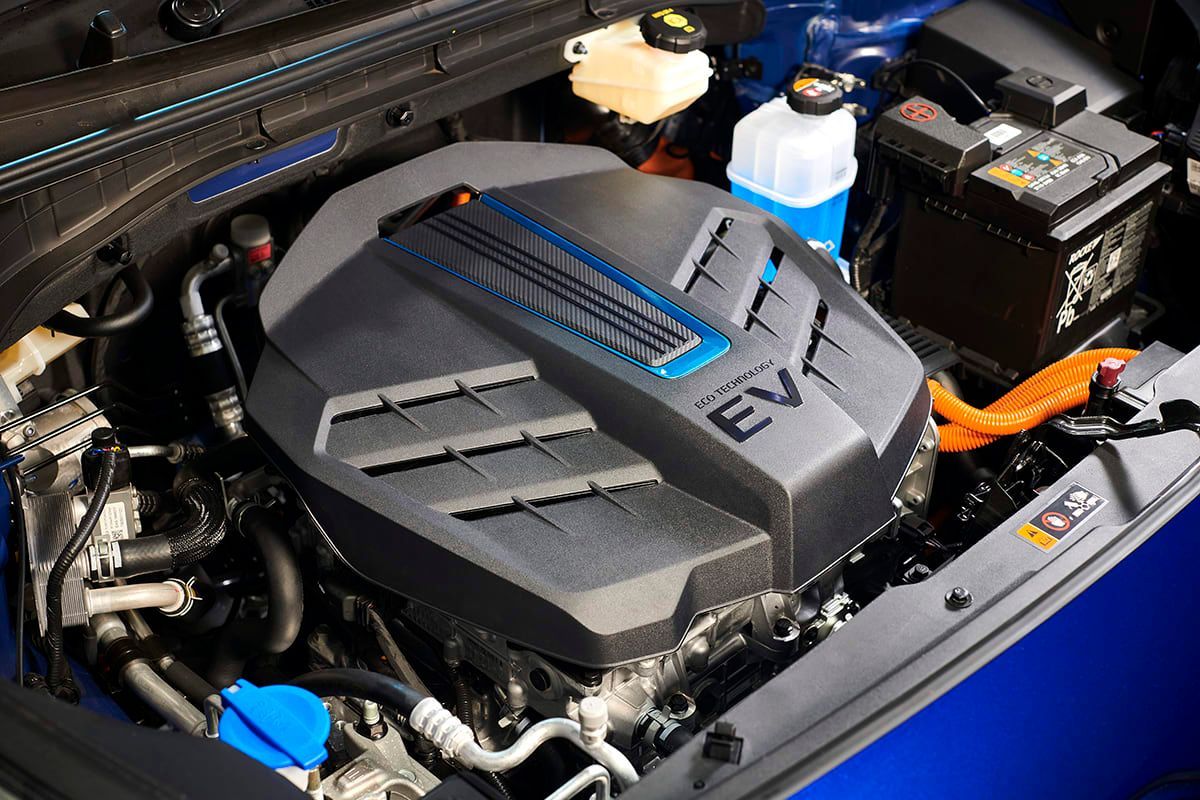
Some electric vehicles (EVs) have multiple motors marked with an engine number. These motors are required to be marked with an engine number to help detect vehicle theft and rebirthing.
Because the NSW registration system only has room for one engine number, here’s what you need to do to correctly record an engine number for an EV:
- When an electric vehicle has more than one electric motor providing drive to the wheels, only record the engine number from the vehicle’s front electric motor.
- Record any other electric engine numbers in the comments field.
- If the vehicle only has one electric motor, you only need to record that motor’s number regardless of motor position.
- Do not combine multiple engine numbers in the engine number field for the same vehicle.
- For hybrid vehicles fitted with both an internal combustion engine and an electric motor, only record the number from the internal combustion engine.
This information is outlined in AIS Notice 46
Recording electric vehicle 'engine' available on the
Transport website under AIS Notices.

Passion, performance and the unmistakable sound of an Italian engine

Enzo Ferrari: The man who built a racing empire

A lifetime of service to the automotive industry and the Bribbaree community