
Mazda's Confidence in the Future of the Internal Combustion Engine
In an era where electric vehicles (EVs) dominate headlines and automotive conversations, Mazda Motor Corporation (Mazda) stands out for its steadfast commitment to the internal combustion engine (ICE). While many manufacturers rush to electrify their fleets, Mazda's approach is markedly different, with a focus on refining and enhancing the traditional combustion engine.
Amidst growing concerns about environmental sustainability and the push for zero-emission vehicles, Mazda's position might seem counterintuitive to some. However, the company's cautious stance is grounded in a belief that there's still ample room for innovation within the ICE technology.
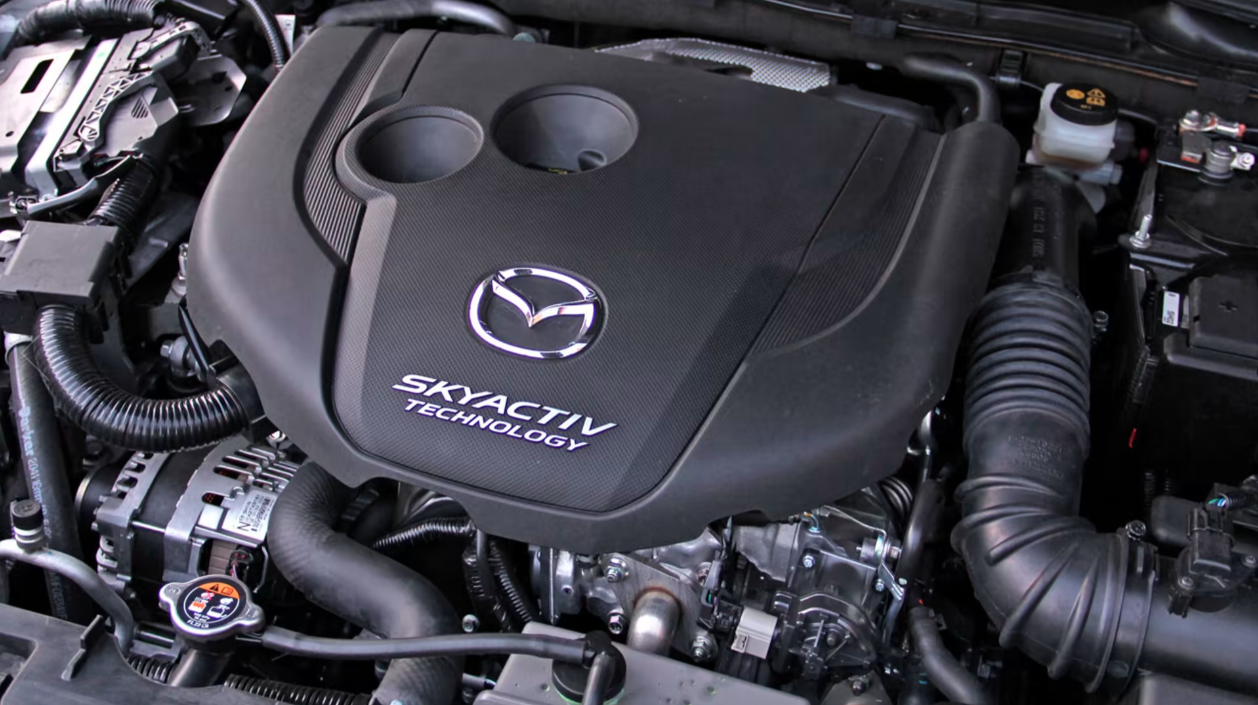
One of the primary reasons behind Mazda's confidence in ICE lies in its ongoing research and development efforts. Rather than hastily pivoting to electric propulsion, Mazda continues to invest resources into optimizing combustion engines for greater efficiency, performance, and reduced emissions. Through initiatives like its Skyactiv technology, Mazda has demonstrated a commitment to squeezing every drop of potential from traditional engines.
Furthermore, Mazda acknowledges the significant challenges that come with mass EV adoption, such as infrastructure limitations, battery production concerns, and environmental impact. By focusing on refining ICE technology, Mazda aims to address these challenges while providing consumers with viable, sustainable transportation options.
Another factor influencing Mazda's strategy is its dedication to driver engagement and the emotional connection between car and driver. The company believes that ICE-powered vehicles offer a unique driving experience characterized by responsiveness, sound, and performance, qualities that many enthusiasts still value deeply.
While Mazda hasn't entirely ruled out EVs from its future lineup, its cautious approach reflects a desire to ensure that any electric offerings align with its core values of craftsmanship, innovation, and driving pleasure. Rather than rushing into the EV market, Mazda aims to enter it thoughtfully, with products that uphold its reputation for excellence.
Critics may argue that Mazda's reluctance to fully embrace electric propulsion could leave it trailing behind competitors in the rapidly evolving automotive landscape. However, Mazda sees its approach as a calculated risk, one that prioritizes long-term sustainability and customer satisfaction over short-term market trends.
Moreover, Mazda's commitment to ICE technology doesn't mean it's ignoring the broader shift towards electrification. The company has already introduced mild-hybrid systems and plans to expand its lineup of hybrid models, demonstrating a willingness to embrace electrification where it complements its existing strengths.
In conclusion, Mazda Motor Corporation's optimism regarding the future of the internal combustion engine underscores its dedication to innovation and its unique vision for the automotive industry. While the transition to electric vehicles may be inevitable, Mazda believes that there's still much to be gained from refining traditional combustion engines. By balancing tradition with progress, Mazda aims to chart a course towards a sustainable automotive future that prioritizes driving enjoyment, efficiency, and environmental responsibility.