



Kia’s New Tasman Ute: Body-on-Frame Design Offers Style and Repair Advantages Over Rivals
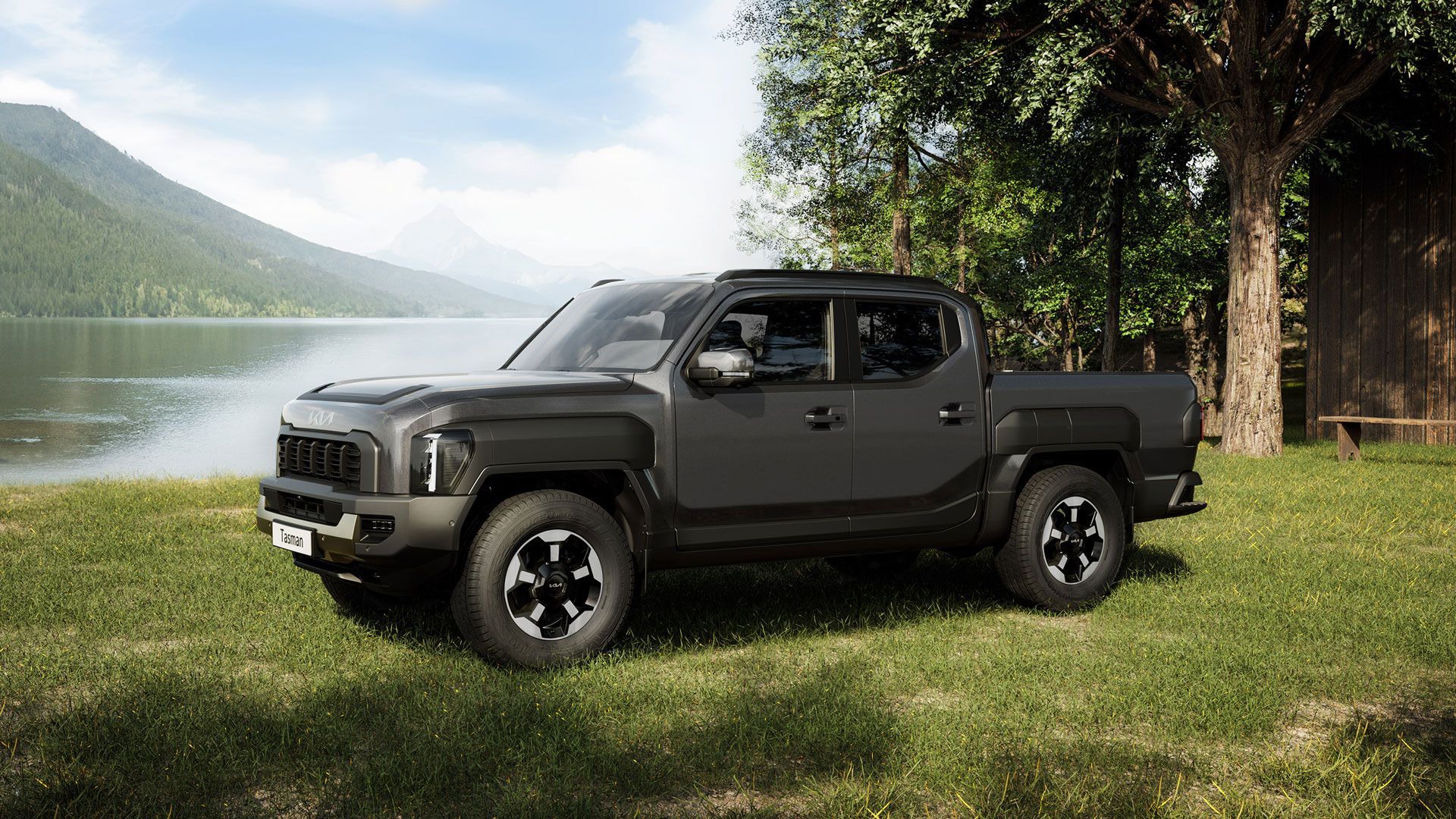
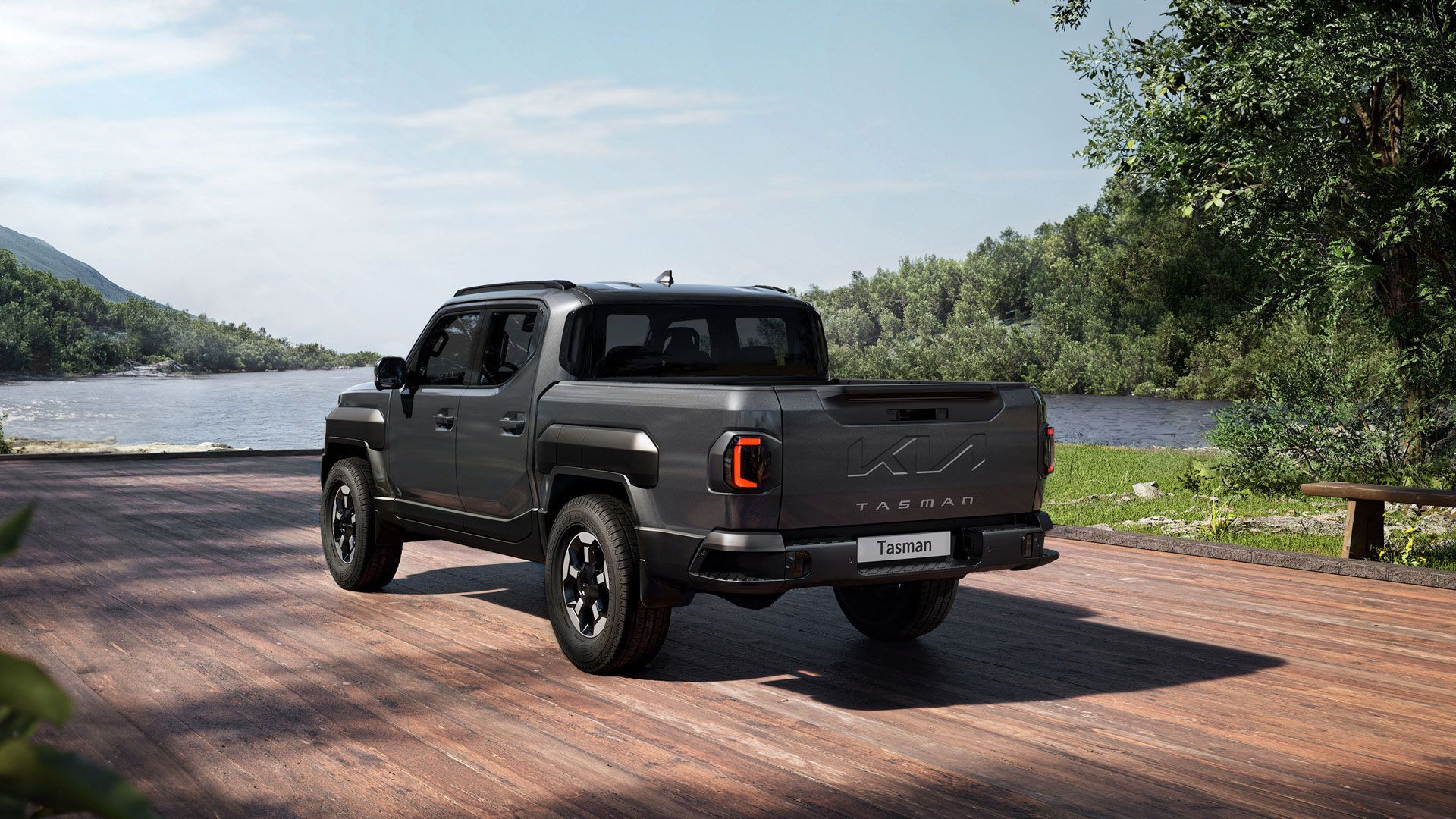
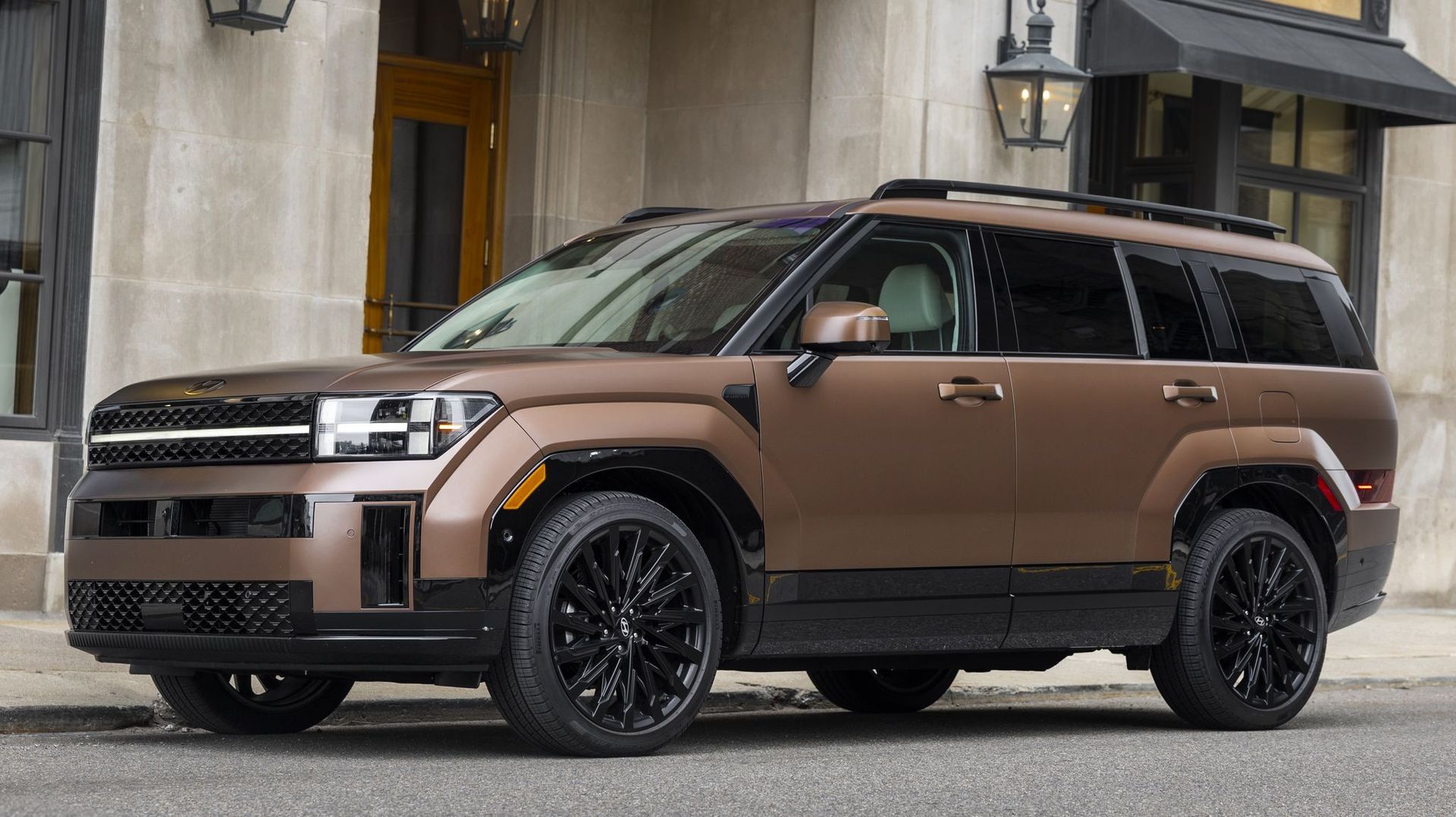
Kia is set to make waves in the Australasian 4x4 Ute segment with the upcoming launch of its first body-on-frame double cab ute, the Kia Tasman. Scheduled for release in the third quarter of 2025, the Tasman is designed to take on popular heavyweights like the Ford Ranger and Toyota Hilux. Beyond its rugged design and off-road capabilities, the Tasman stands out with its practical body-on-frame construction, offering significant advantages in durability, repairability, and ease of maintenance—features highly valued by both tradies and off-road adventurers in Australia and New Zealand.
Body-on-Frame Build: A New Direction for Kia
The Tasman’s body-on-frame construction is a substantial shift from Kia's typical unibody SUVs and sedans, moving towards a design preferred by utility vehicle manufacturers. This traditional build method separates the body from the frame, giving the Tasman enhanced durability under heavy loads, whether that’s towing, carrying cargo, or tackling off-road terrain. The separation of body and frame ensures that high stress or impact forces are better distributed, making it ideal for challenging conditions.
For Kia, which is known for its stylish and performance-oriented vehicles, entering the Ute segment with a body-on-frame construction highlights a commitment to providing consumers with practical and durable solutions, matching the reliability that Ford Ranger and Toyota Hilux owners have come to expect.
Key Advantages of the Body-on-Frame Design
Enhanced Durability and Load-Bearing Capacity
Body-on-frame vehicles are inherently stronger when it comes to carrying heavy loads or towing substantial weights, a requirement for many Ute buyers who use their vehicles as workhorses. The Tasman’s frame is expected to be designed to handle higher torque loads, making it an excellent choice for those who need both performance and dependability. By focusing on a sturdy frame, Kia aims to compete directly with the off-road resilience and towing capabilities of the Ranger and Hilux.
Simplified Repairs and Maintenance
With body-on-frame construction, repairs and modifications become easier and less costly, a significant consideration for Ute owners who put their vehicles through rigorous use. This construction style allows for individual body parts to be repaired or replaced without impacting the overall structure, which is particularly beneficial for handling dents, scrapes, or even more extensive damage that might occur during off-road excursions or on worksites.
In contrast, unibody designs can require costly and time-consuming repairs for damage, as impacts often affect a wider area of the vehicle’s structure. The Tasman’s traditional frame-based design allows owners to make targeted repairs, potentially lowering maintenance costs over time and ensuring that the vehicle remains on the road instead of in the shop.
Customization Potential
For Ute enthusiasts who love to personalize their vehicles, body-on-frame construction offers greater flexibility for modifications and add-ons. From reinforcing bumpers and custom bull bars to installing heavy-duty tow hitches and off-road kits, body-on-frame designs make it easier to tailor a vehicle to specific needs without compromising the structural integrity. This level of customization will likely appeal to both work-focused and adventure-seeking drivers who want a Ute that aligns with their lifestyle.
Improved Off-Road Resilience
The Tasman’s body-on-frame architecture is a natural fit for challenging terrains. This type of construction typically provides greater ground clearance, and, paired with a solid axle design, offers better articulation when navigating rough or uneven surfaces. This resilience gives Kia’s new ute the capability to handle the steep, rocky, or muddy trails of Australia and New Zealand with ease.
The Aesthetic Appeal of Body-on-Frame Utes
While functionality is key, the Kia Tasman also brings a refined, modern style that Kia is well known for. The brand’s approach to exterior design is expected to shine through in the Tasman, featuring clean lines, robust fenders, and a bold front grille. By pairing a classic, hard-wearing body-on-frame construction with Kia’s contemporary styling, the Tasman combines practicality with visual appeal, making it a Ute that’s as much at home in the city as it is in the outback.
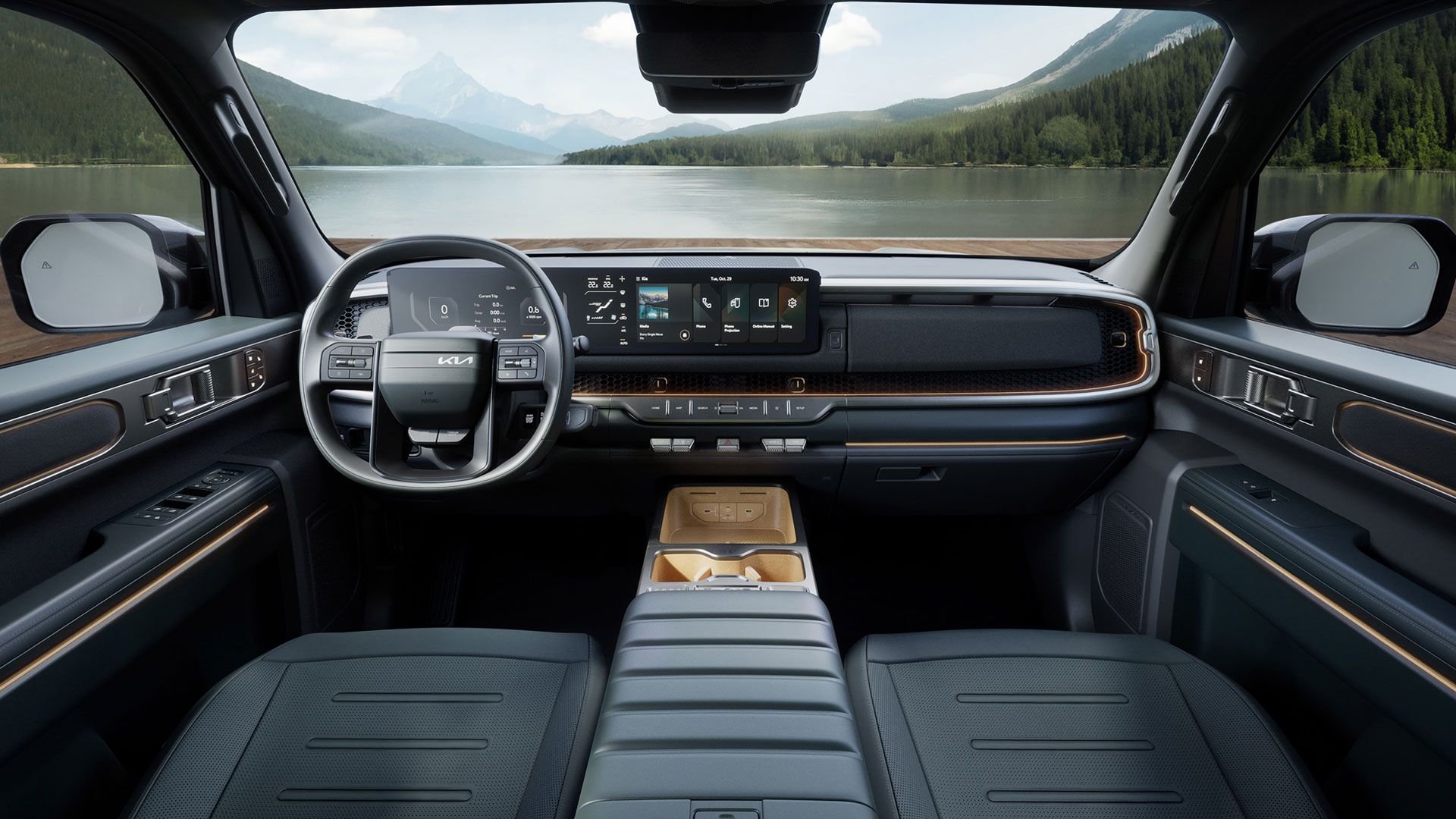
Kia has hinted at a spacious, comfortable cabin with high-quality materials and modern technology, providing the comfort of an SUV with the durability of a Ute. This unique combination could attract a new segment of buyers who value a Ute’s versatility but still want the style and sophistication found in modern passenger vehicles.
Competitive Edge Over the Ford Ranger and Toyota Hilux
The Ford Ranger and Toyota Hilux have dominated the Australasian market for years, praised for their reliability and ruggedness. However, Kia’s decision to go with a body-on-frame design for the Tasman may give it a competitive edge, especially in terms of repair costs and modification flexibility. Ford and Toyota’s offerings continue to evolve, but Kia’s fresh entry into the market with a design emphasizing practical repair advantages may be just what some buyers are looking for.
While the Ranger and Hilux are tried-and-true options, consumers may be swayed by Kia’s reputation for value and the Tasman’s anticipated affordability relative to its features and functionality. The added benefit of a more straightforward repair process could attract budget-conscious buyers who are looking to avoid high maintenance costs over the vehicle's life.
Looking Ahead: Kia’s First Step in the Ute Market
The introduction of the Kia Tasman represents an exciting new era for Kia, particularly in the Australasian markets where Utes are not only popular but essential for many consumers. By focusing on body-on-frame construction, Kia has developed a vehicle that prioritizes functionality, durability, and ease of maintenance, along with the style and technology that have become hallmarks of the brand.
As Kia rolls out the Tasman in 2025, the vehicle is likely to appeal to a wide range of buyers—from tradespeople who need a reliable work vehicle to families looking for a versatile, adventure-ready Ute. If Kia can deliver a product that balances performance, style, and affordability, the Tasman has the potential to become a popular choice among Ute enthusiasts and challenge even the most established competitors in the market.