Production Innovation
At the heart of the hydrogen revolution lies its production. Traditionally, hydrogen production has relied heavily on fossil fuels, primarily natural gas, through processes like steam methane reforming. However, this method produces carbon dioxide as a byproduct, offsetting its environmental benefits.
To address this issue, researchers are exploring alternative pathways for hydrogen production, particularly through renewable sources. Electrolysis, for instance, utilizes electricity to split water into hydrogen and oxygen, offering a clean and sustainable production method when powered by renewable energy sources such as wind or solar. R&D efforts in electrolysis technology are focused on enhancing efficiency, scalability, and cost-effectiveness to make renewable hydrogen competitive with traditional methods.
Storage Breakthroughs
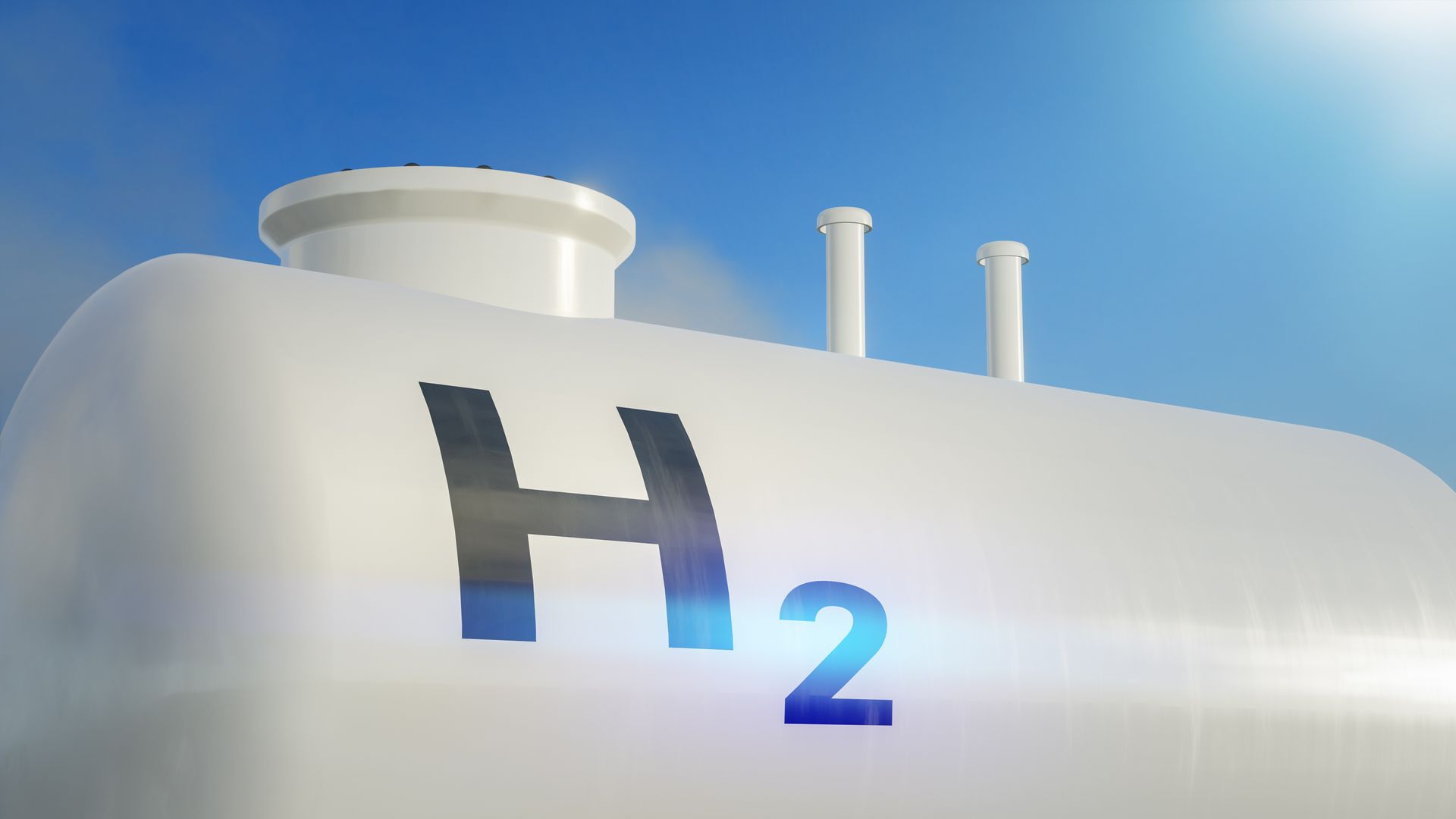
Storage presents another critical challenge in harnessing the potential of hydrogen as an energy source. Hydrogen has a low energy density by volume, requiring efficient storage solutions to ensure its practicality for various applications, including transportation.
Advanced storage technologies, such as compressed hydrogen tanks, liquid hydrogen, and solid-state hydrogen storage materials, are under intense scrutiny in R&D labs worldwide. These efforts aim to improve storage efficiency, safety, and affordability, overcoming barriers that have hindered the widespread adoption of hydrogen as a fuel.
Distribution Infrastructure
Building a robust infrastructure for hydrogen distribution is essential for its integration into existing energy systems. From pipelines to transportation networks, R&D initiatives are focused on developing innovative solutions that enable efficient and cost-effective distribution of hydrogen.
One promising approach is the use of hydrogen pipelines, similar to those used for natural gas, to transport hydrogen from production facilities to end-users. Additionally, advancements in hydrogen transportation, such as hydrogen trucks and trailers, are being explored to facilitate the delivery of hydrogen to remote or inaccessible areas.
Driving the Hydrogen Vehicle Market
The transportation sector stands to benefit significantly from the commercialization of renewable hydrogen. Hydrogen fuel cell vehicles (FCVs) offer a clean alternative to conventional internal combustion engines, with the added advantage of faster refueling and longer driving ranges.
R&D efforts aimed at enhancing the performance and reducing the cost of hydrogen fuel cells are critical for driving the adoption of FCVs. Furthermore, the establishment of refueling infrastructure, supported by innovations in hydrogen production and distribution, is essential for encouraging consumer confidence and stimulating market growth.
The journey towards a hydrogen-powered future is propelled by innovation and collaboration across the research and development landscape. By investing in hydrogen technologies and infrastructure, we not only address the urgent need to combat climate change but also unlock new economic opportunities and drive sustainable growth.
As R&D efforts continue to push the boundaries of what's possible, the commercialization of renewable hydrogen is no longer a distant dream but an achievable reality. With each breakthrough in production, storage, and distribution, we inch closer to a cleaner, greener future powered by hydrogen.